
Thursday, June 1st 2023.
Granada – Day 2 of 3.
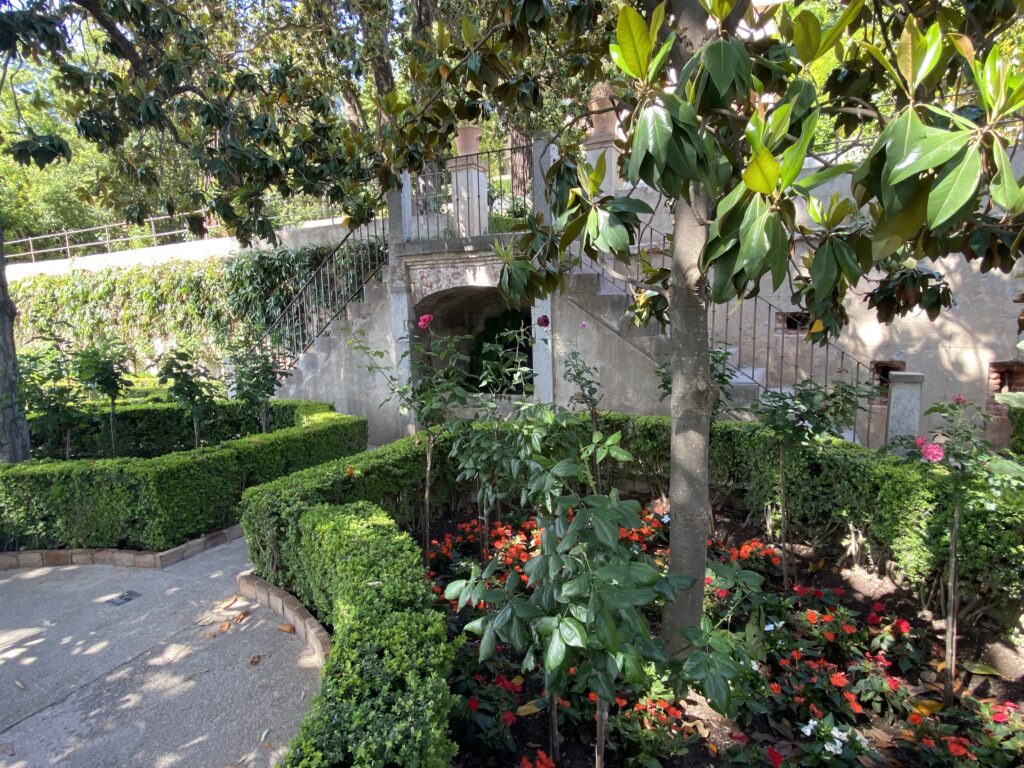
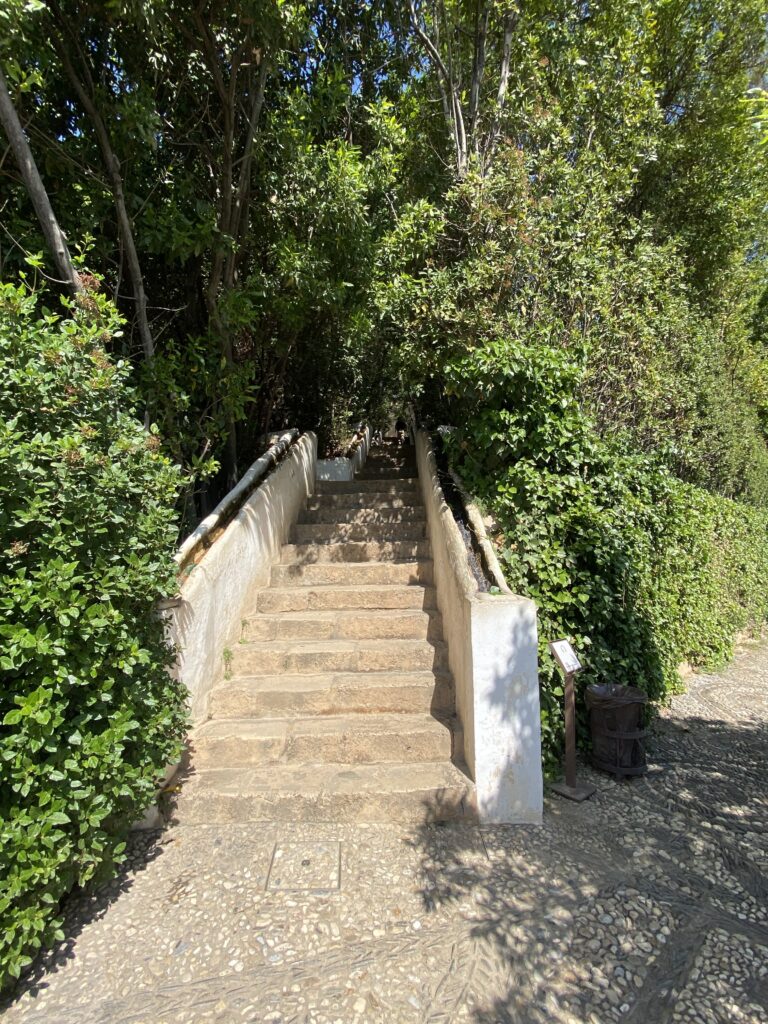
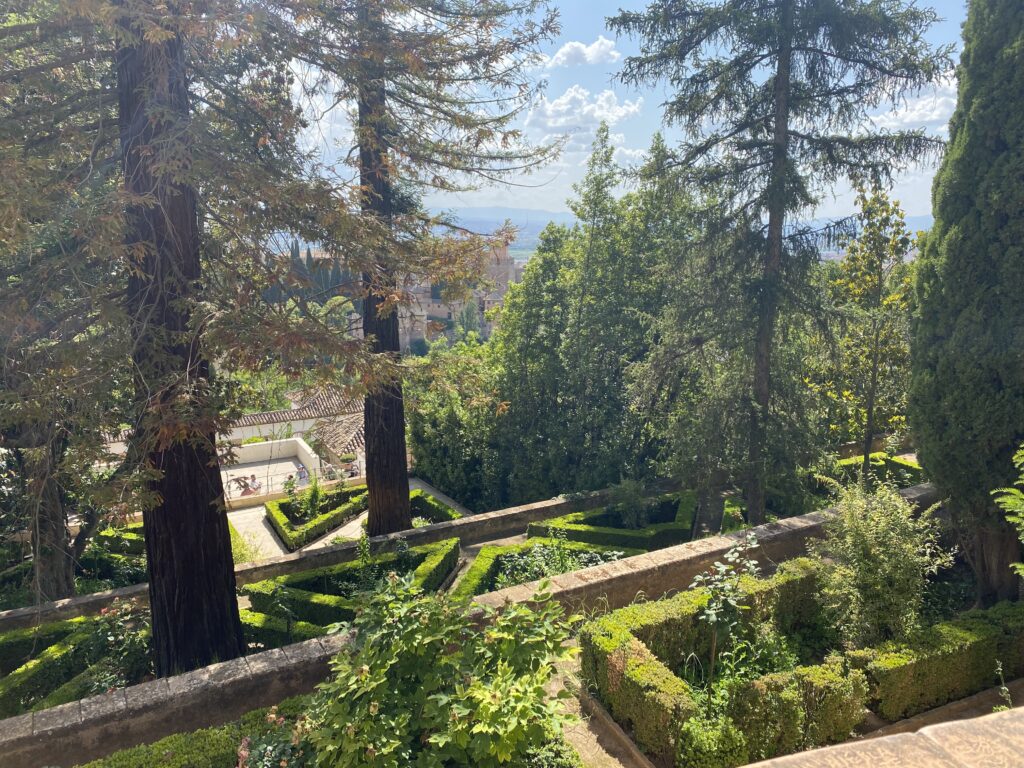
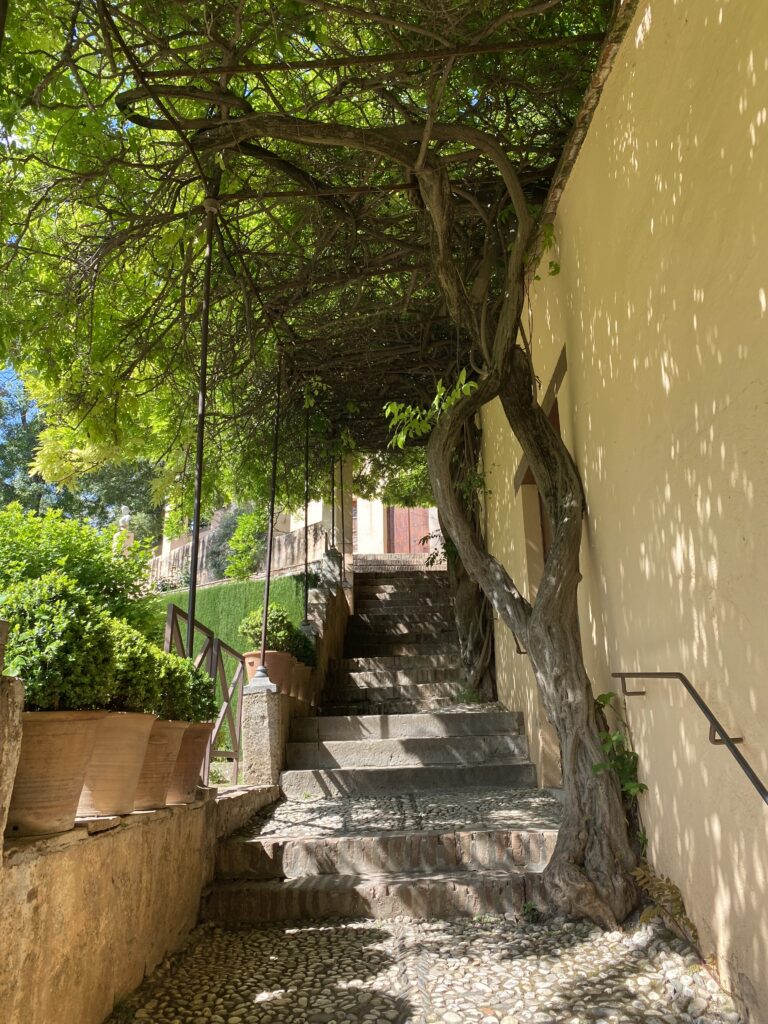
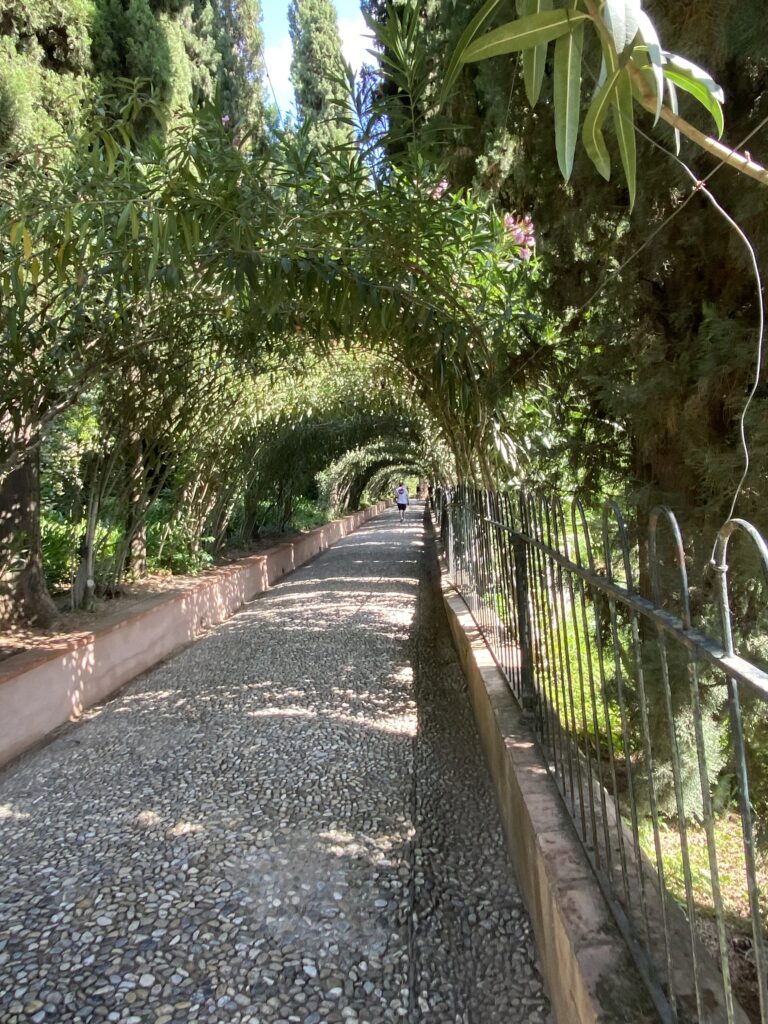
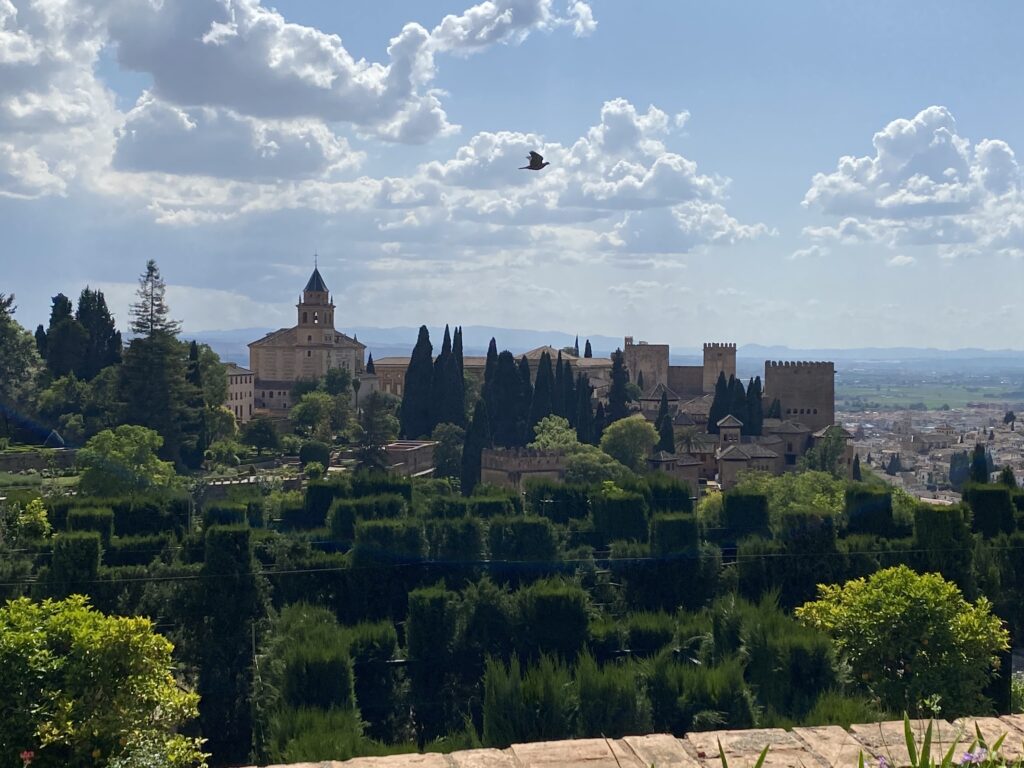
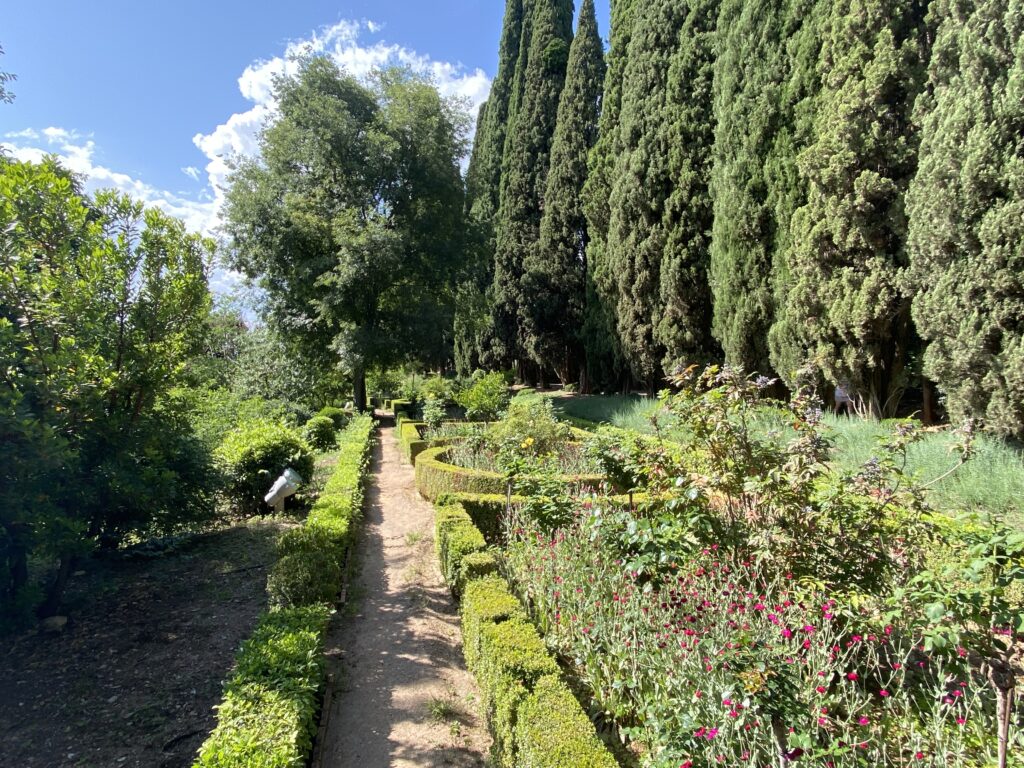
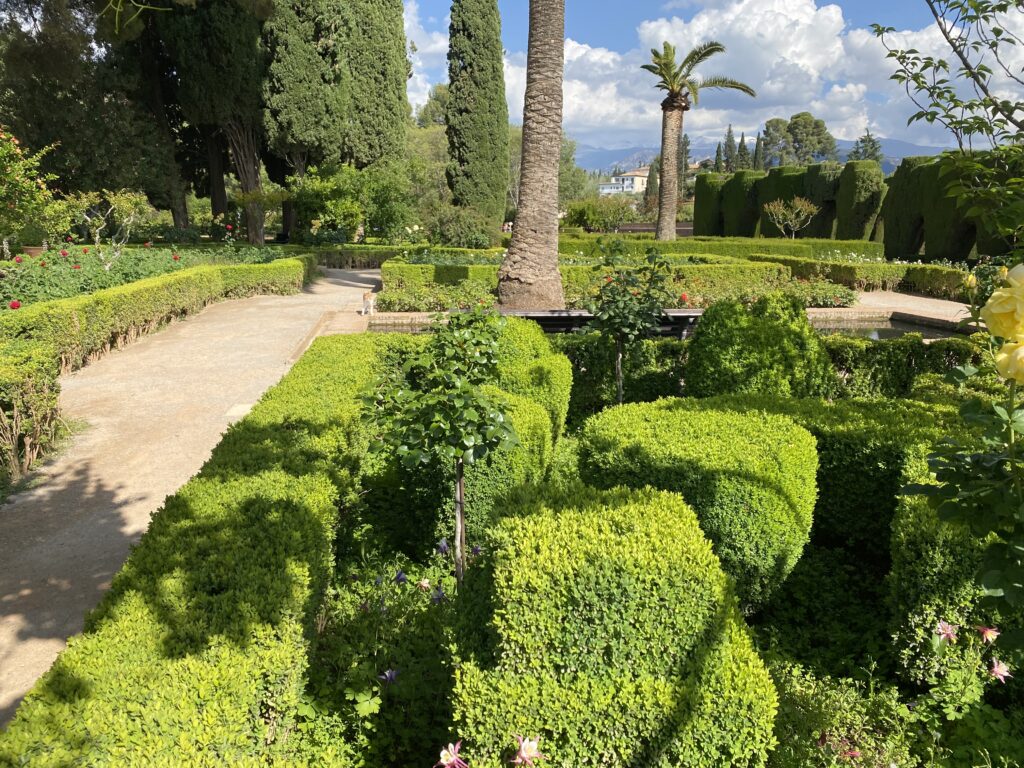
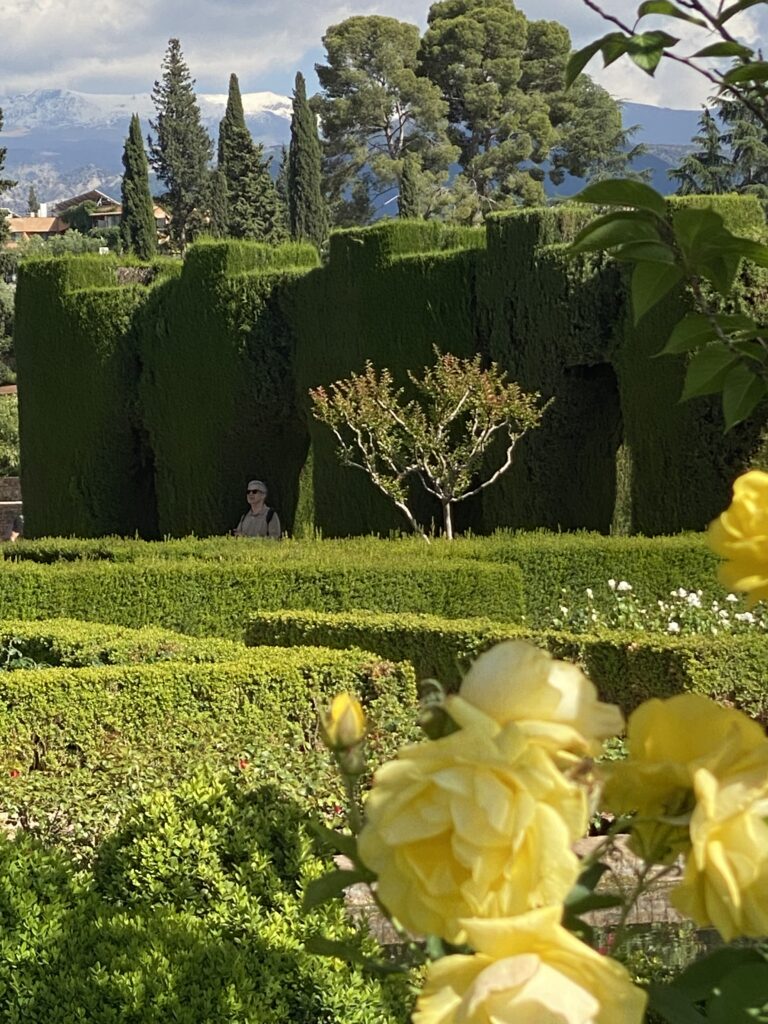
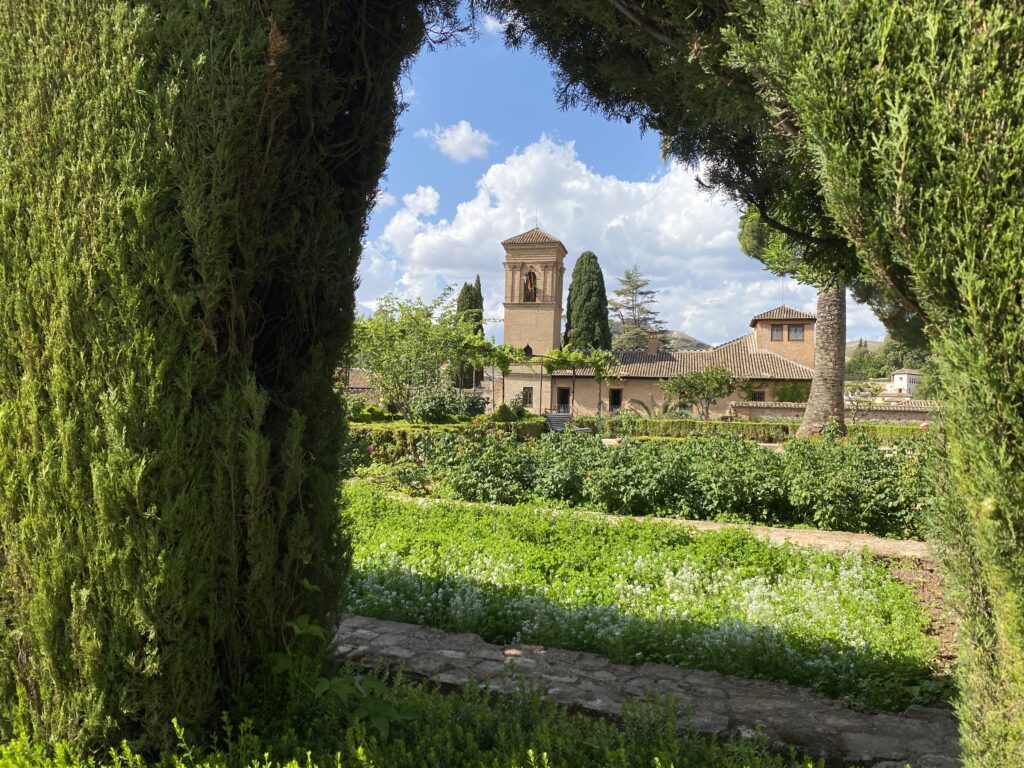
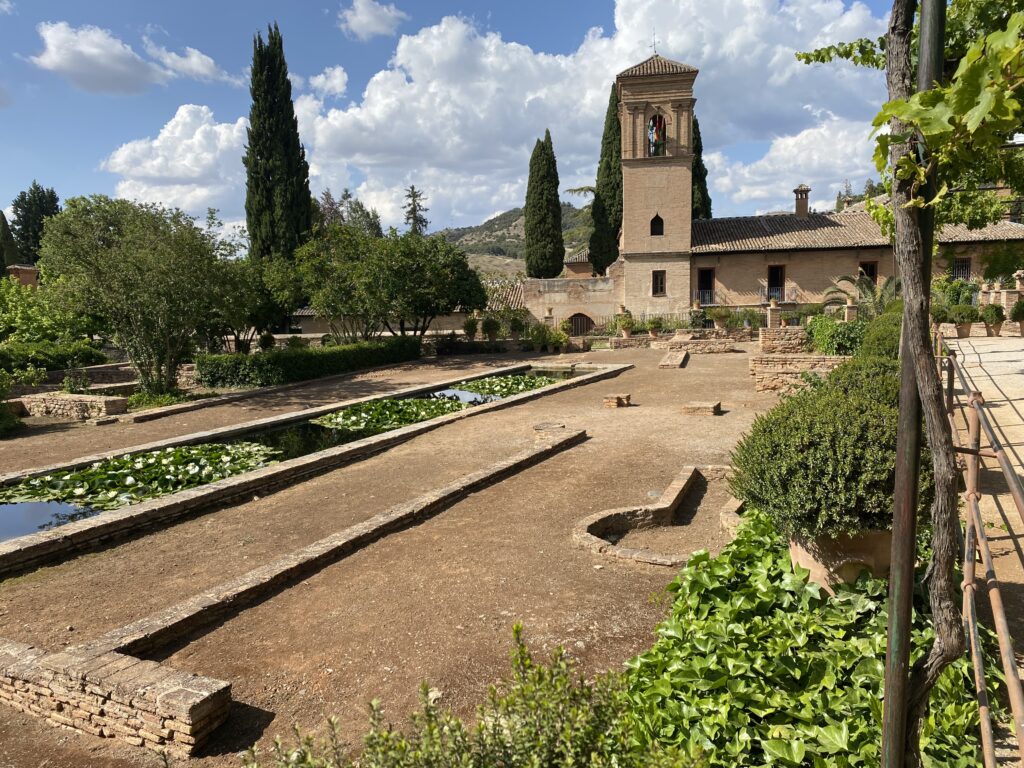
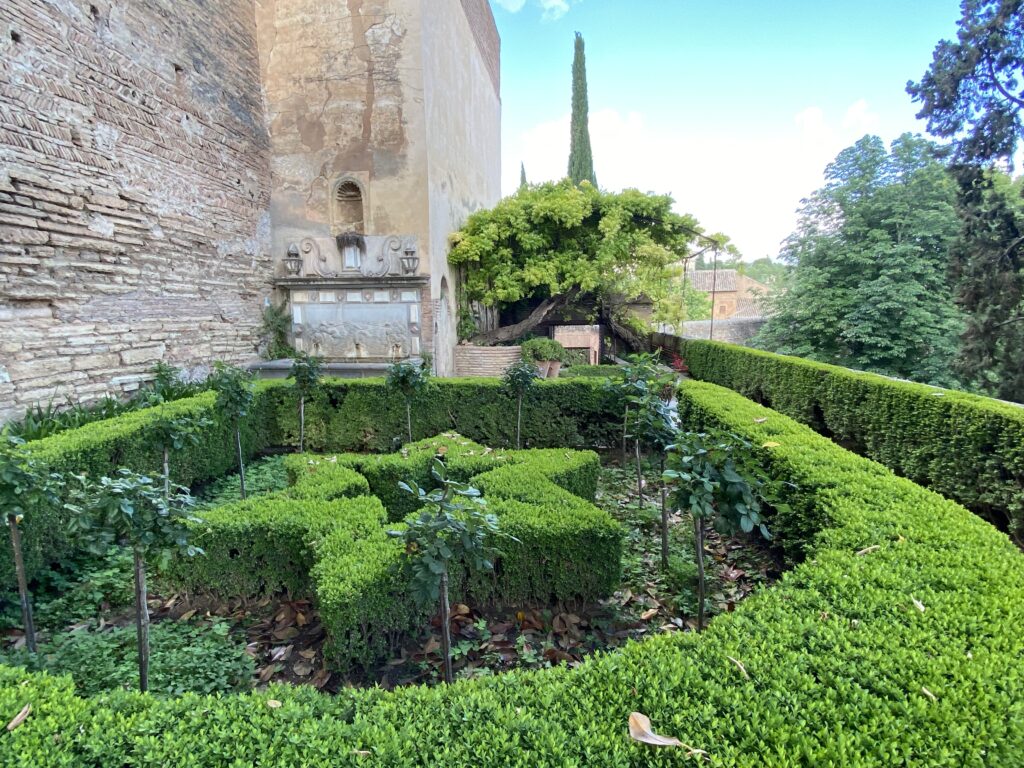
Today we started up the road to visit the Alahambra which came with an uphill walk through Spruce, Citrus, Palm, Cyprus trees, water features, lookout benches, flower gardens and a vast mixture of shrubs and birds in what felt like a rainforest climate but yet still 26 degrees outside.
If the Alahambra looks anything like the walk up the hill then we’re certainly in for a treat. From what we’ve learned so far is that each corner you turn, there’s going to something else that’s even more beautiful than the last.
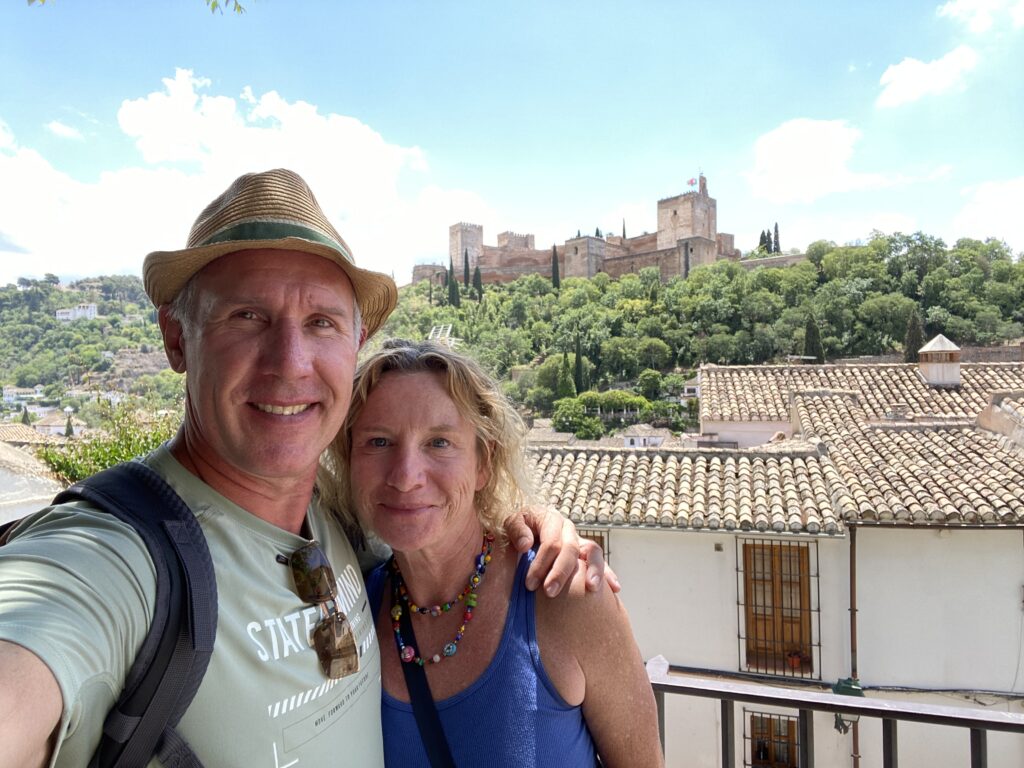
The view from last nights walking tour looking up from the park across the ravine.
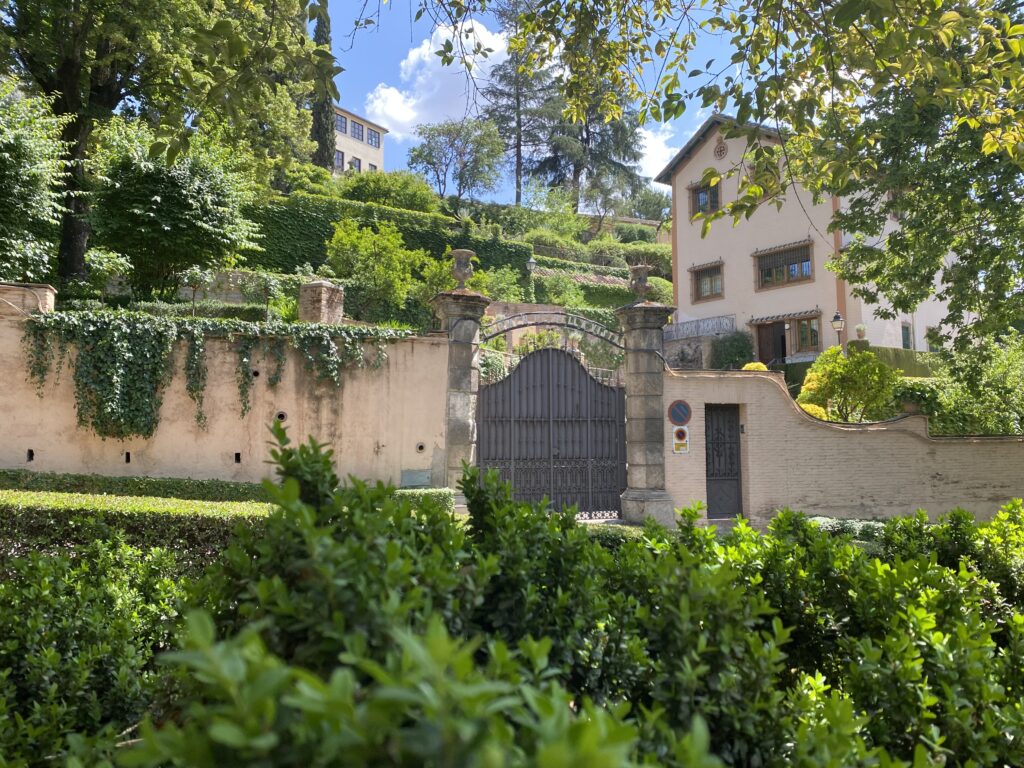
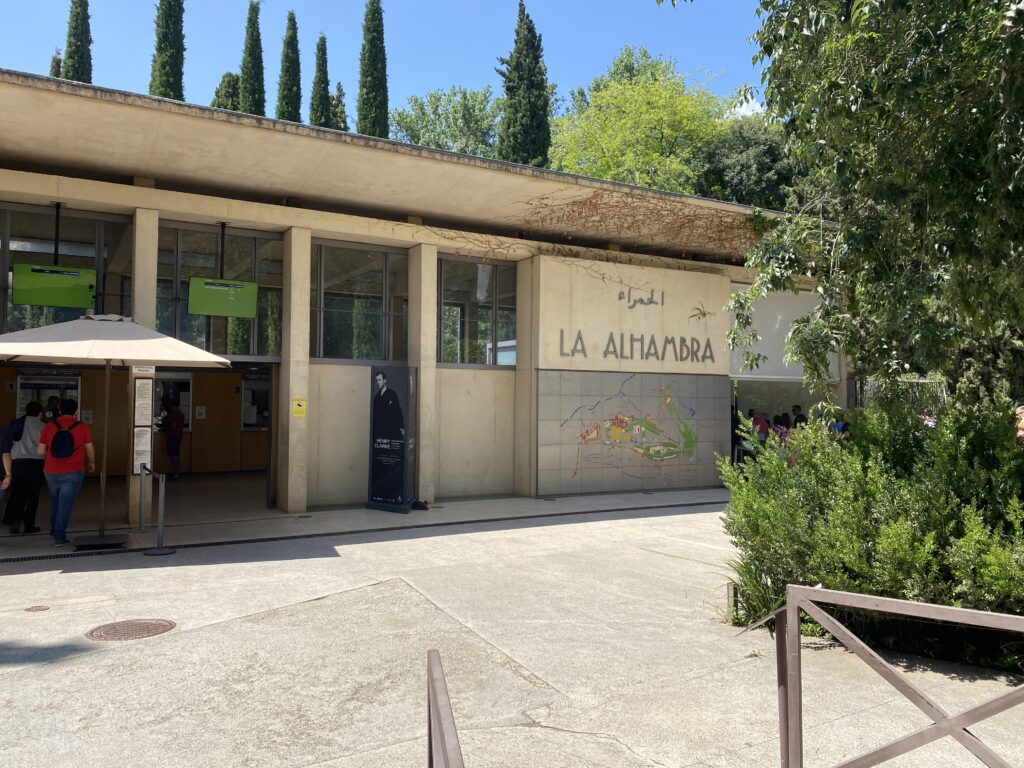
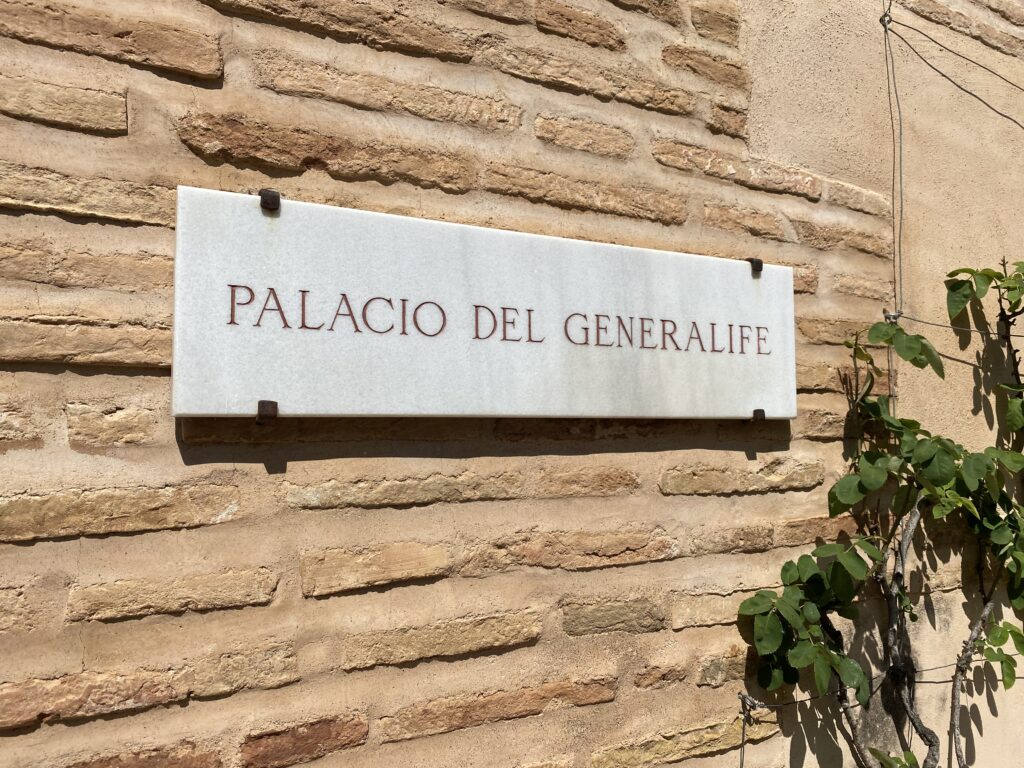
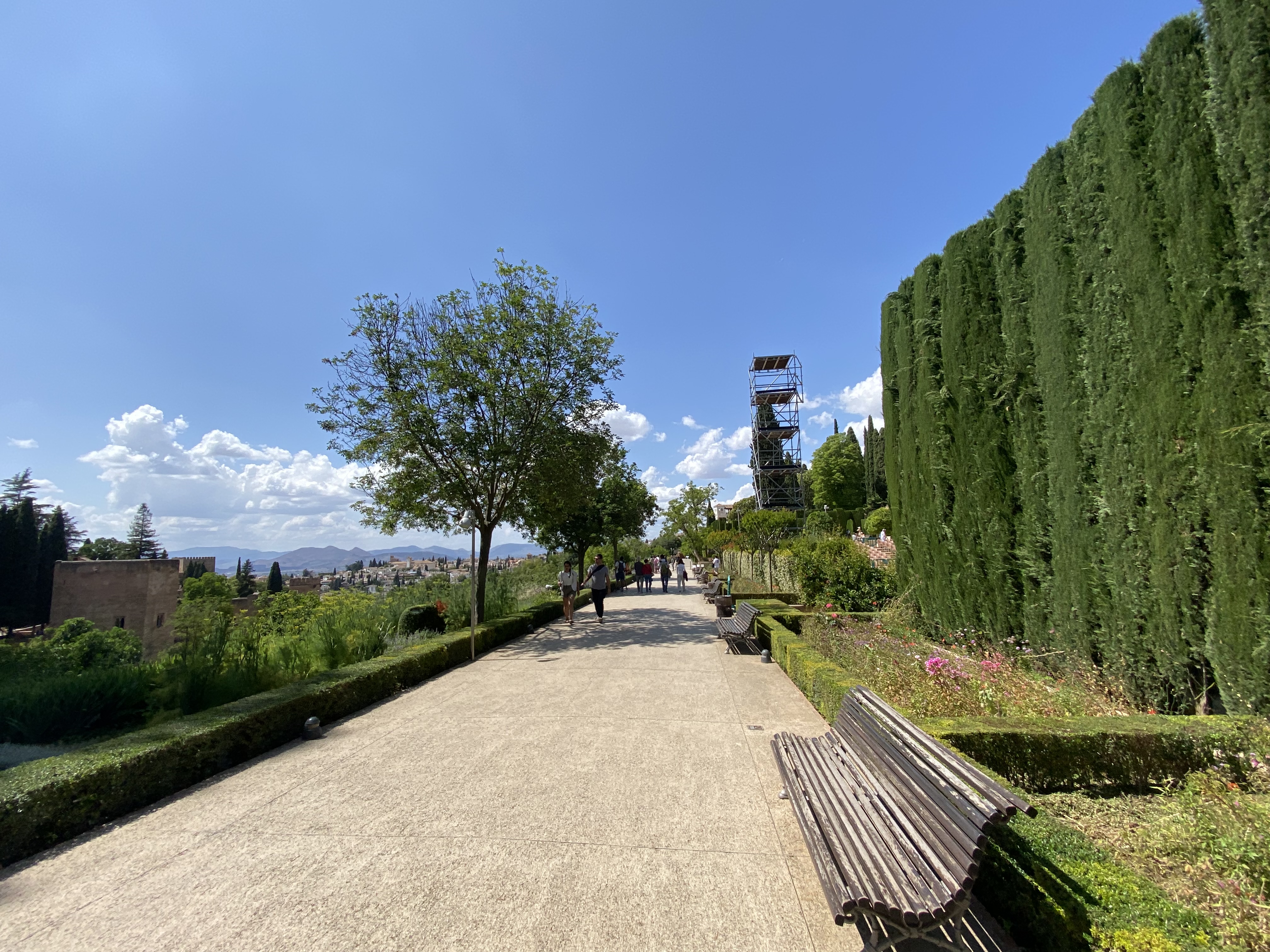
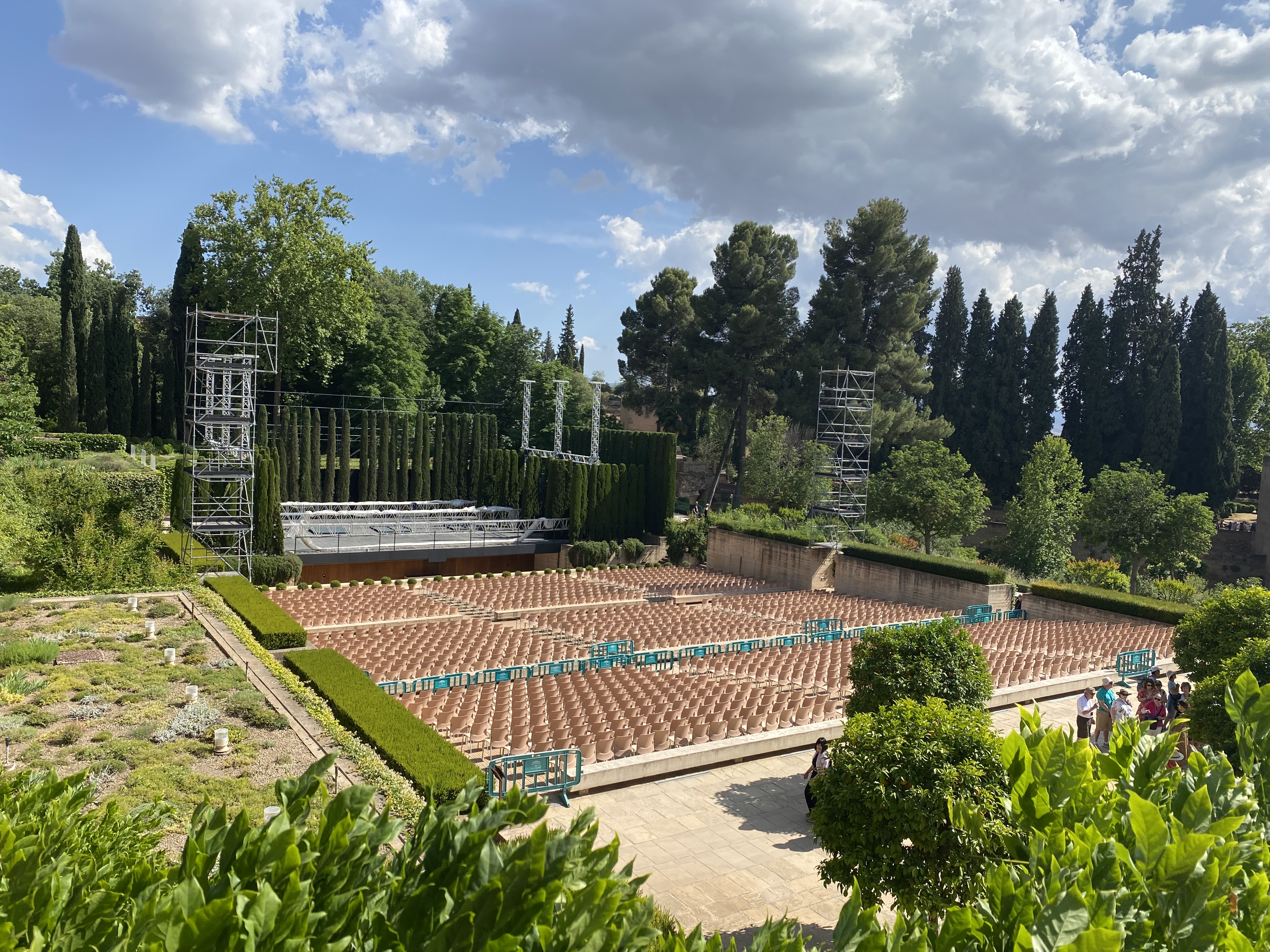
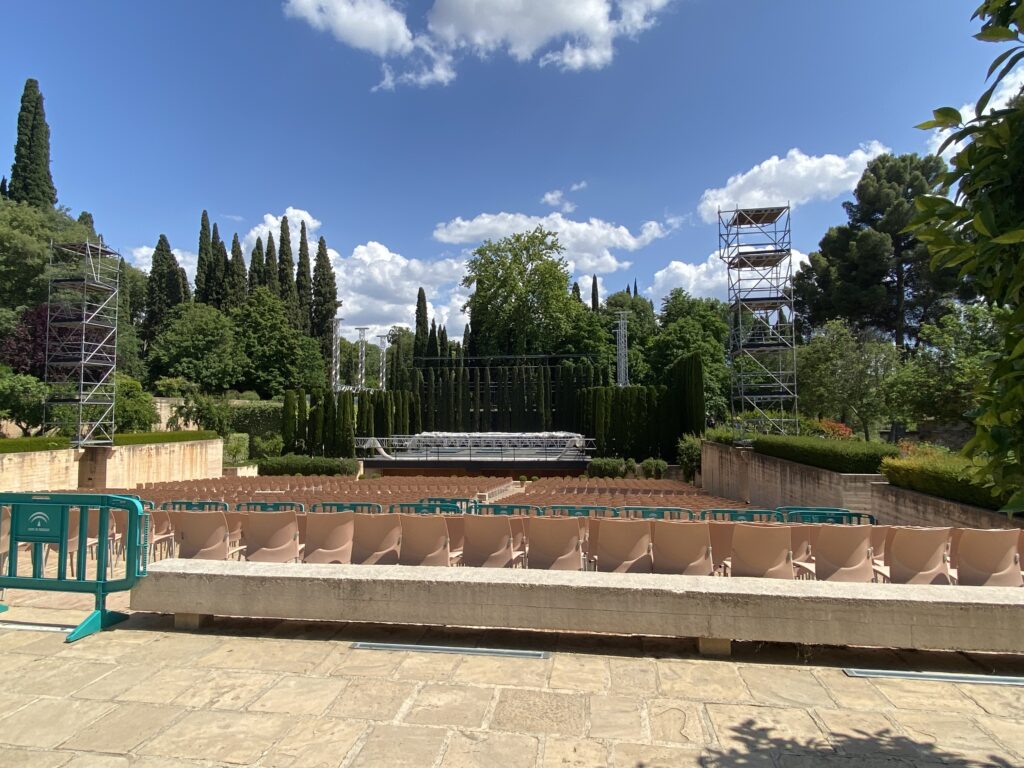
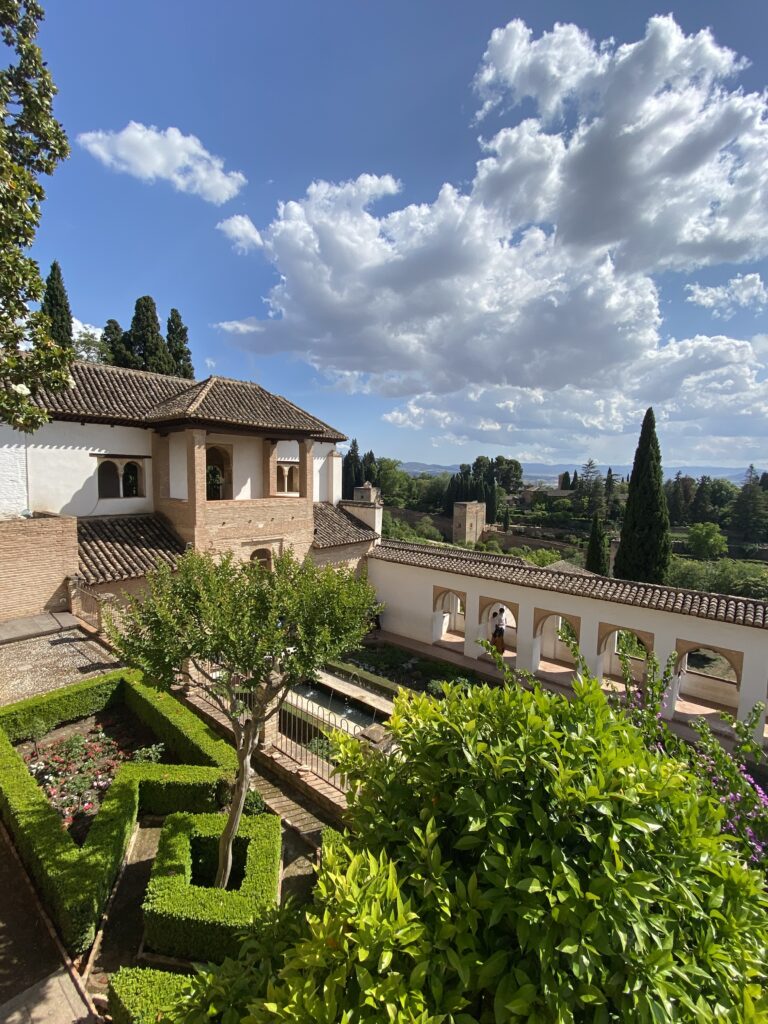
Once inside the walled Alahambra, the gardens lead us through the best views of the palace and city below. There’s even a performance theatre within the garden that easily seats several hundreds of people.
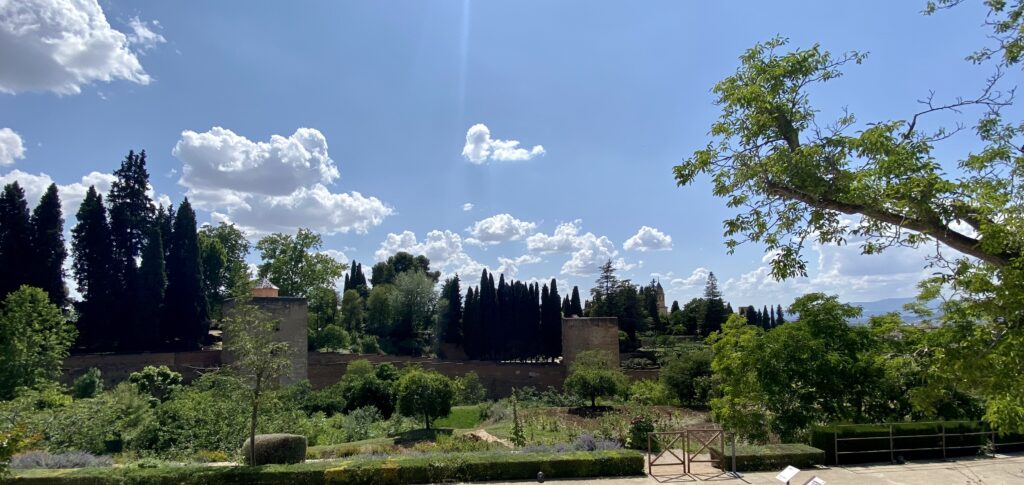
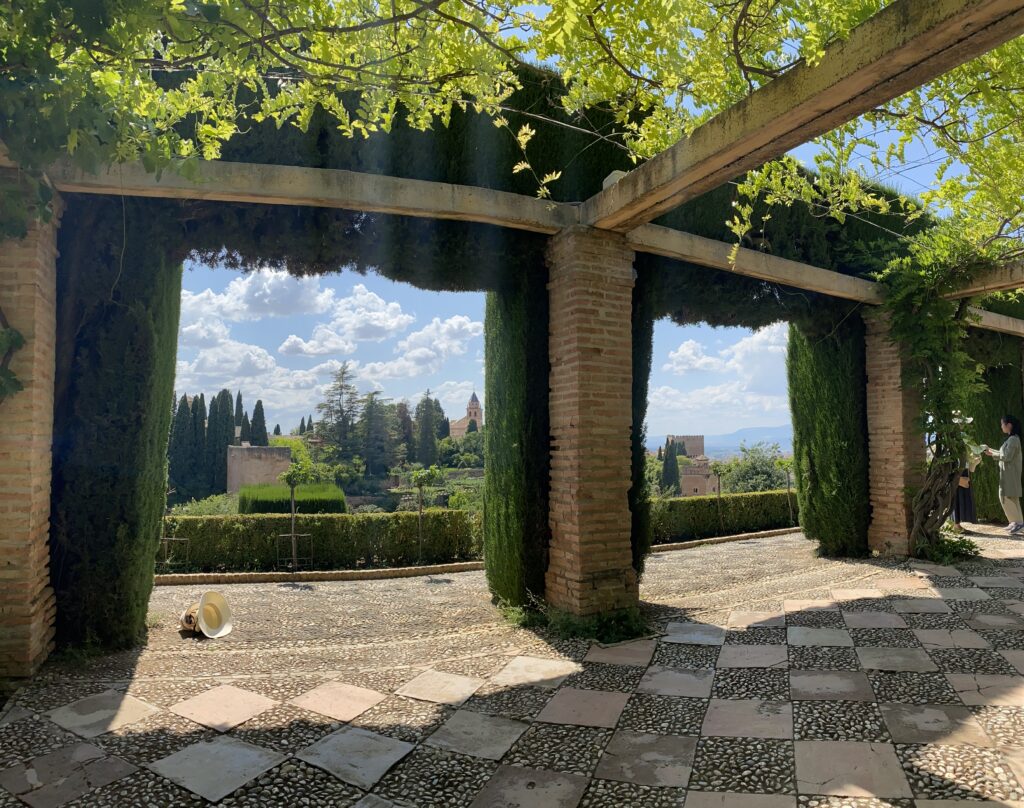
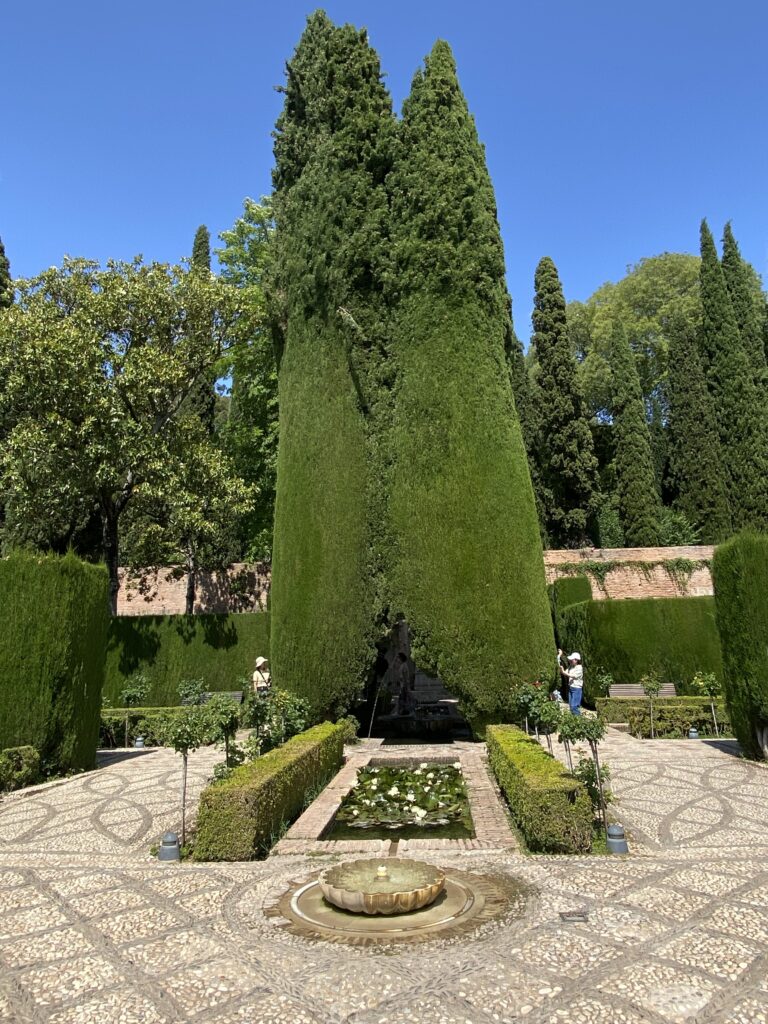
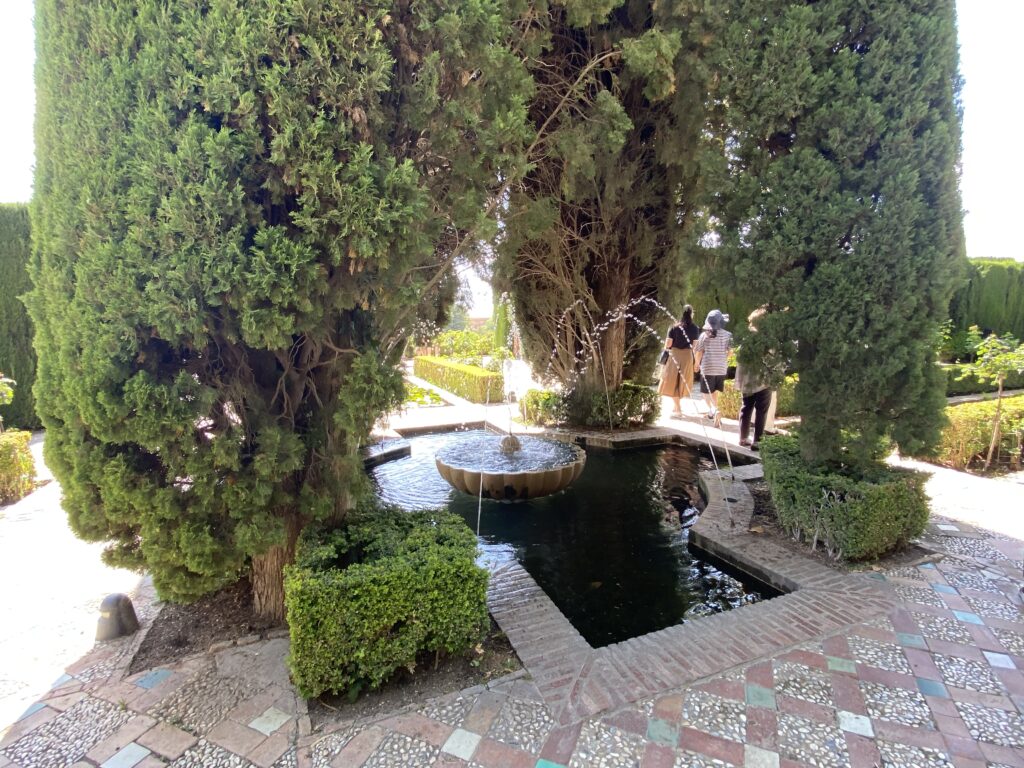
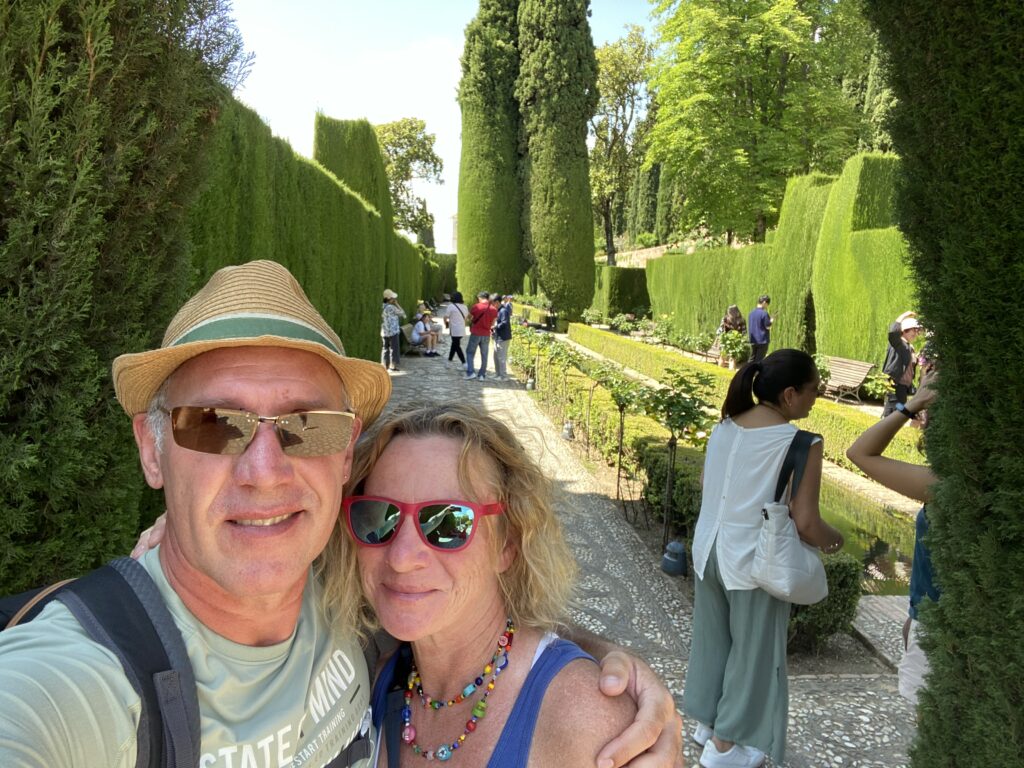
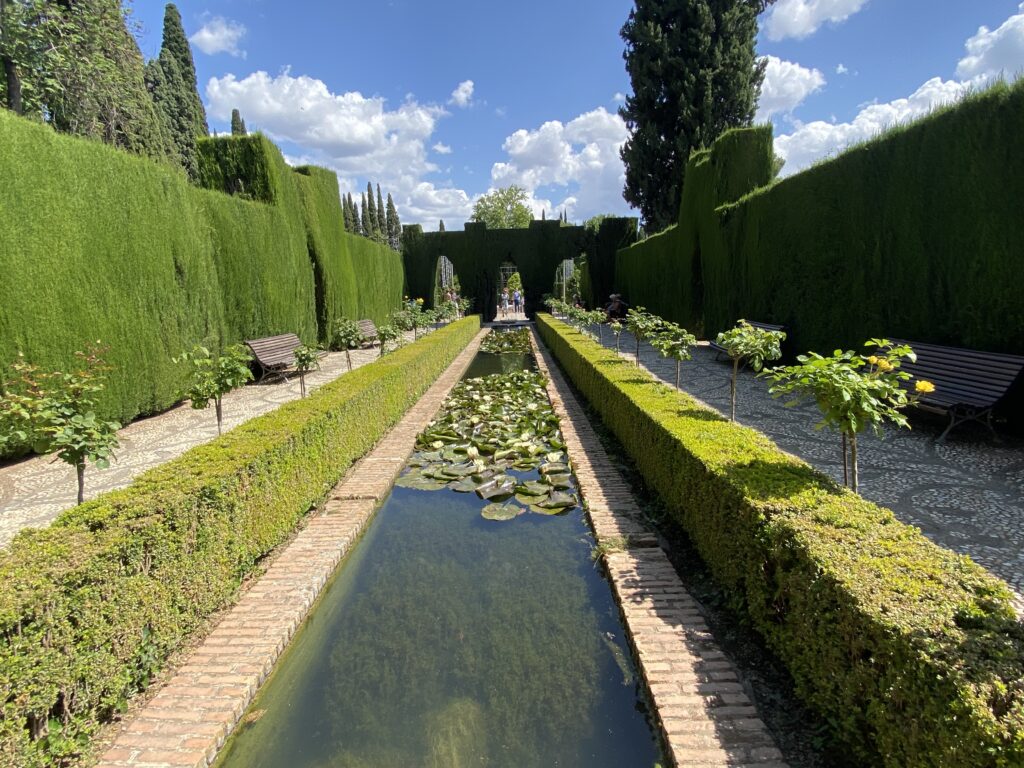
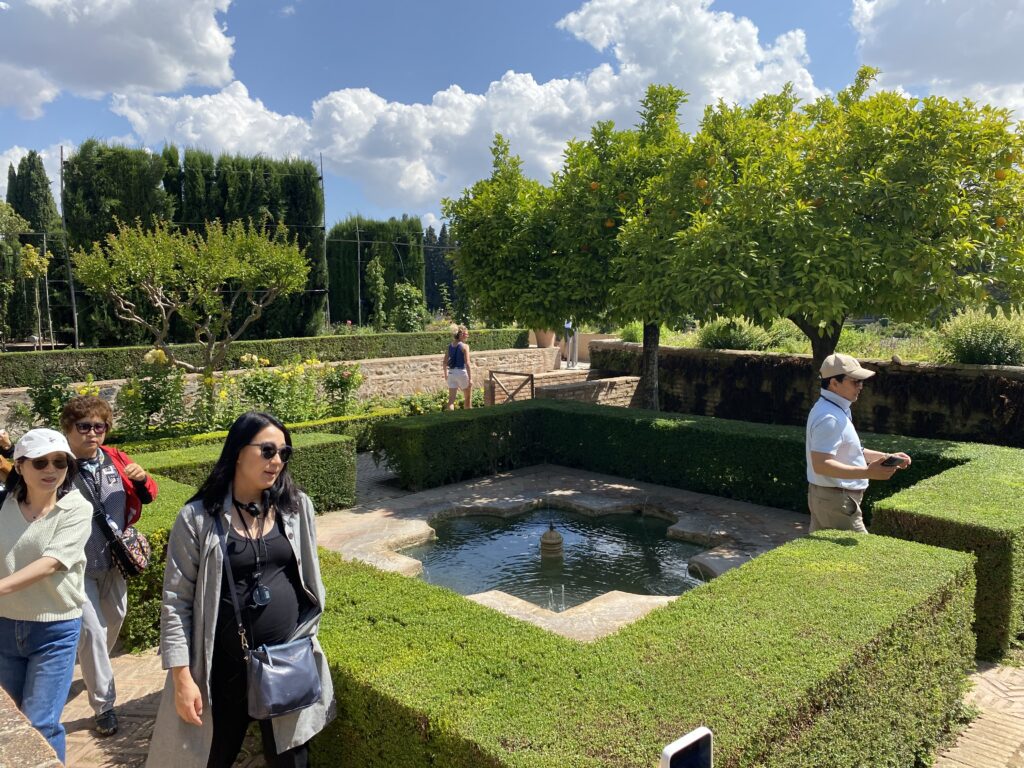
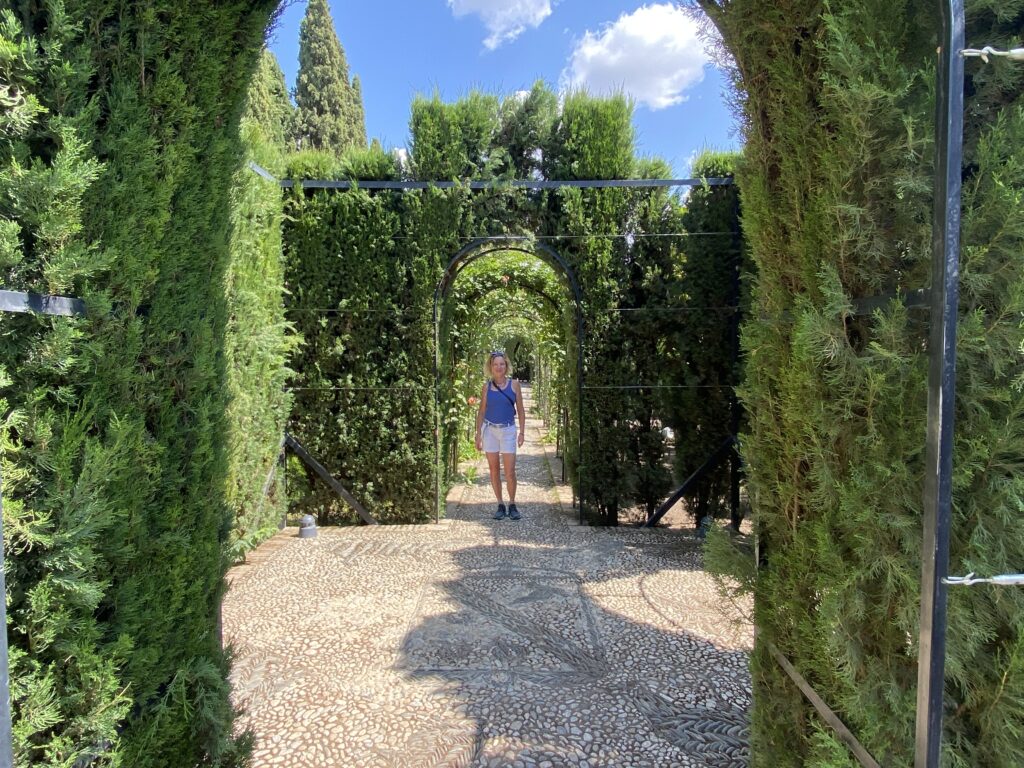
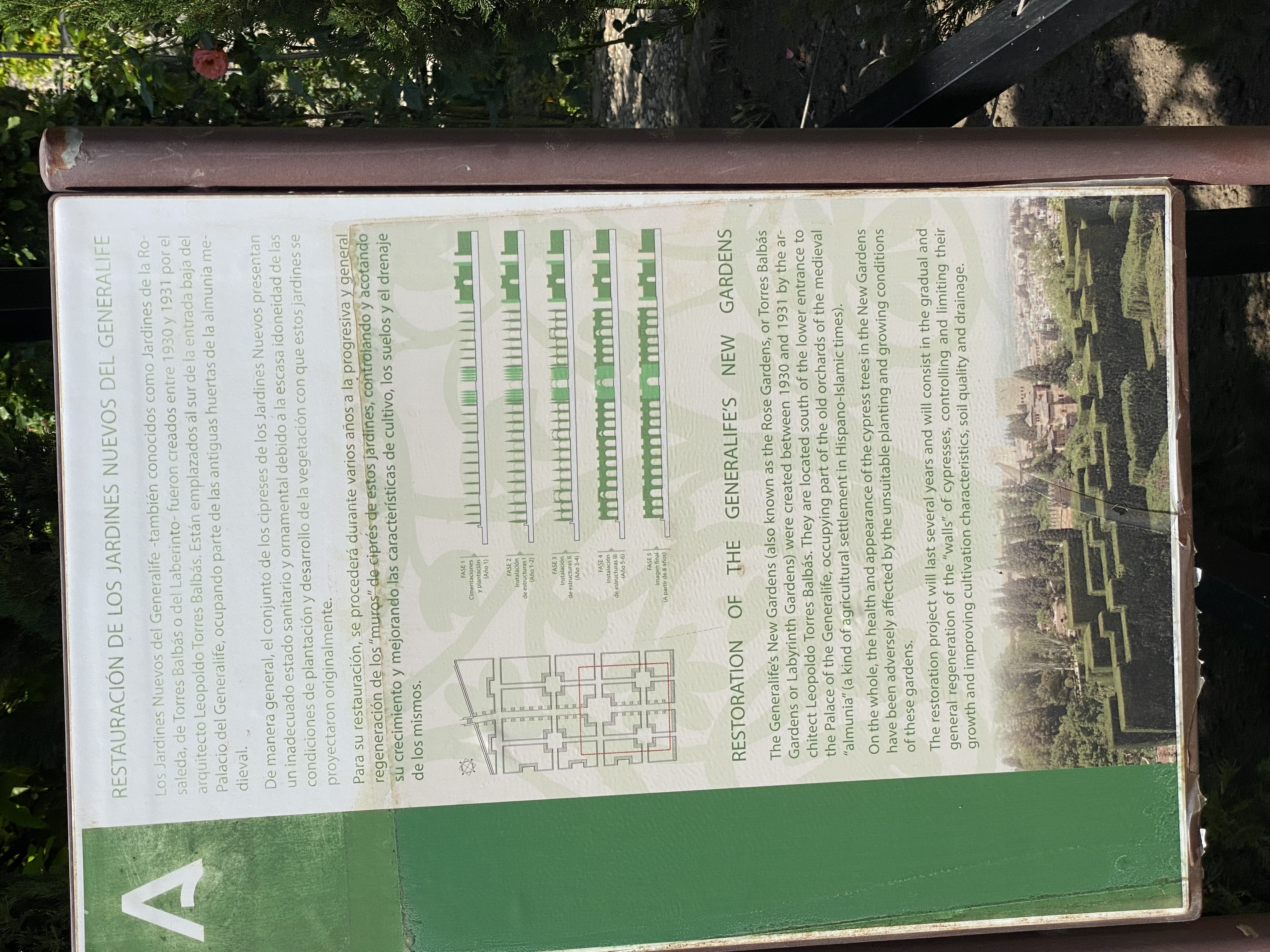
The Alhambra’s most celebrated structures are the three original royal palaces. These are the Comares Palace, the Palace of the Lions, and the Partal Palace, each of which was built during 14th century.
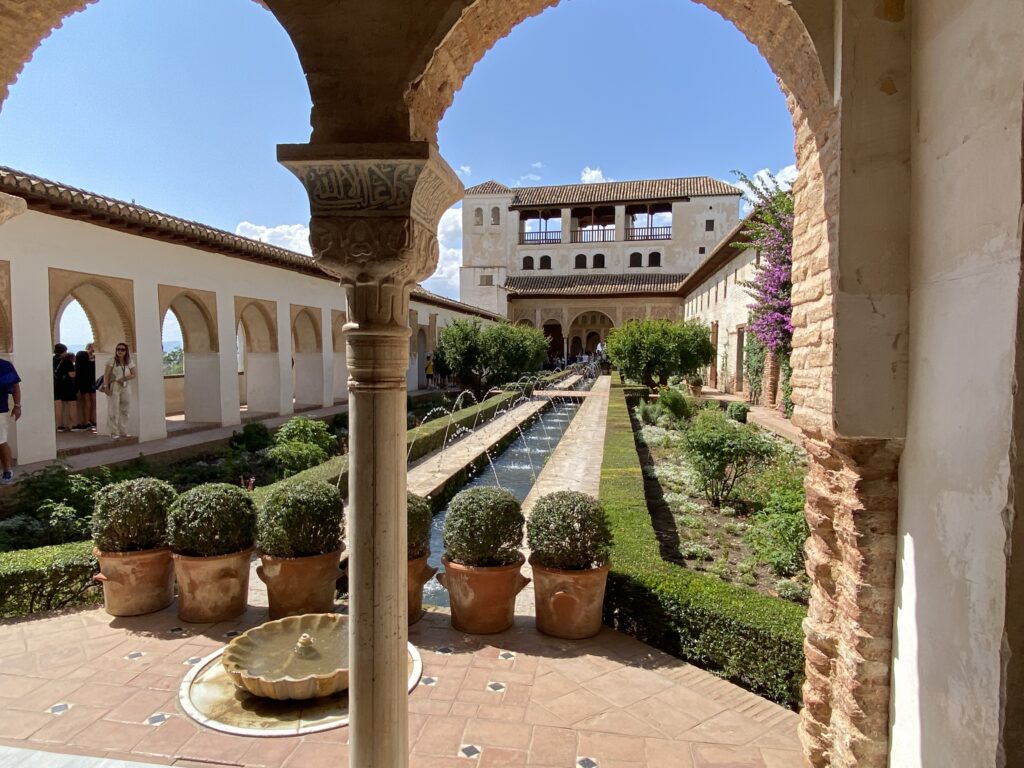
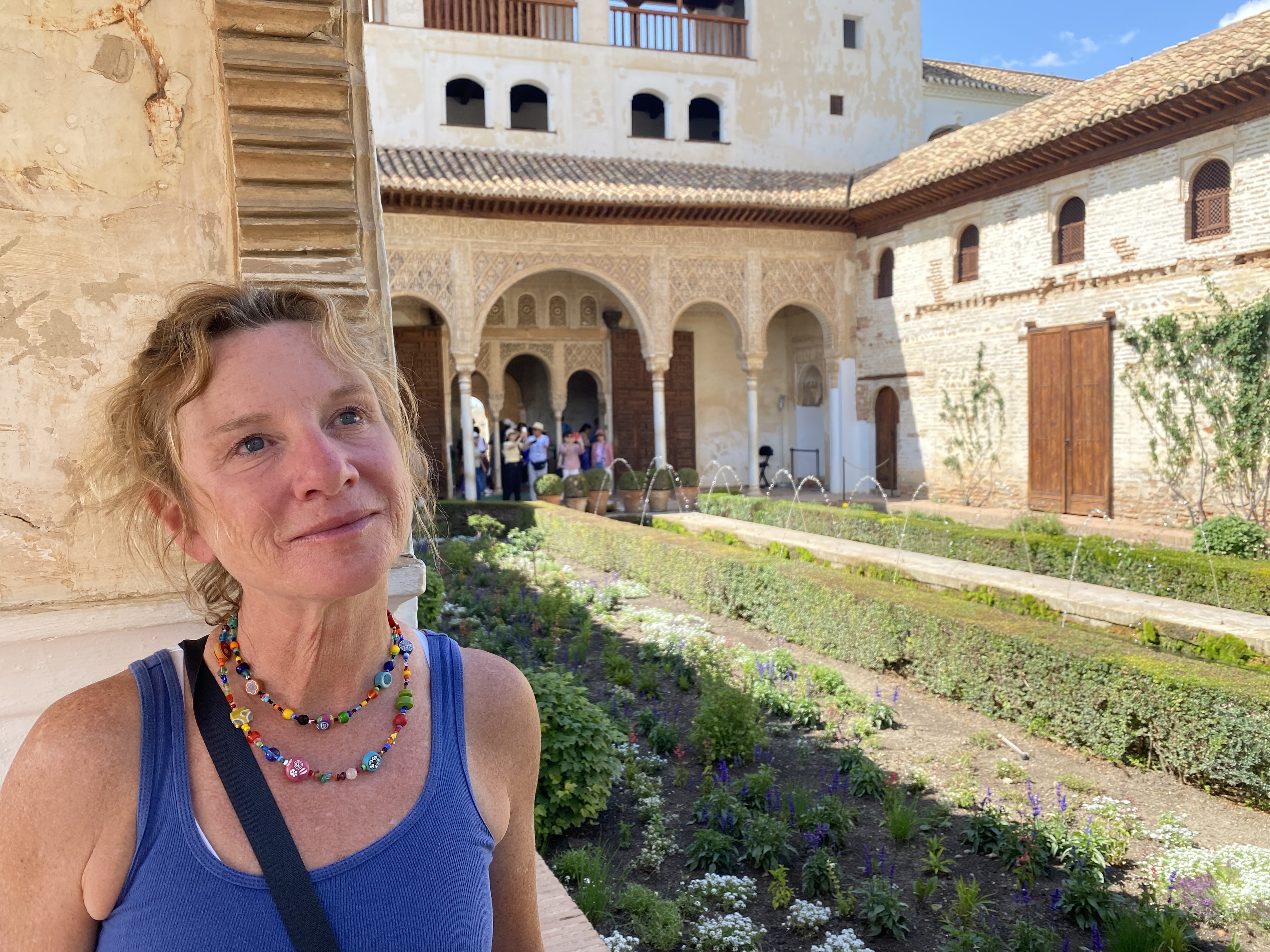
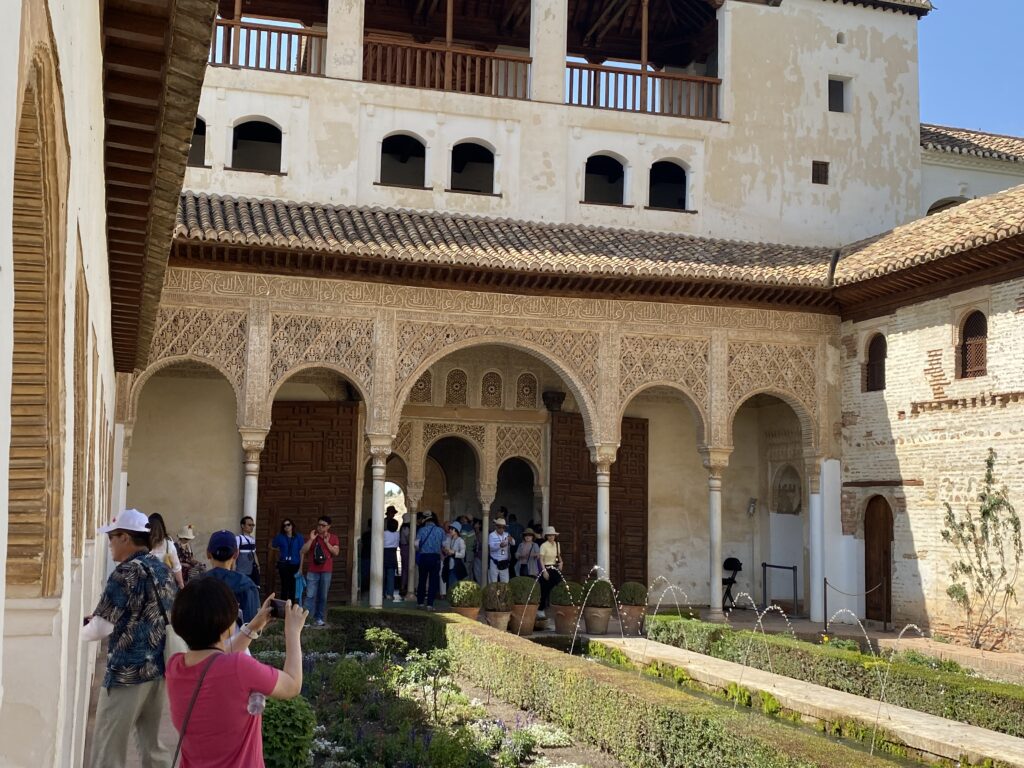
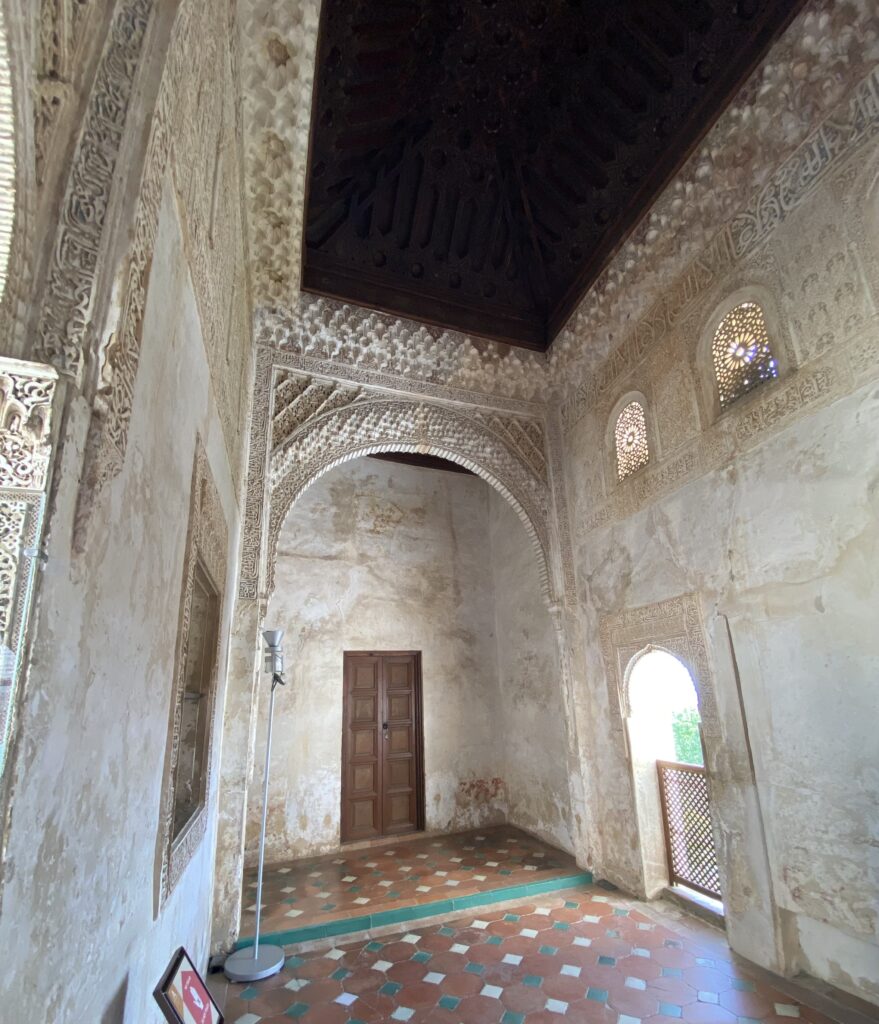
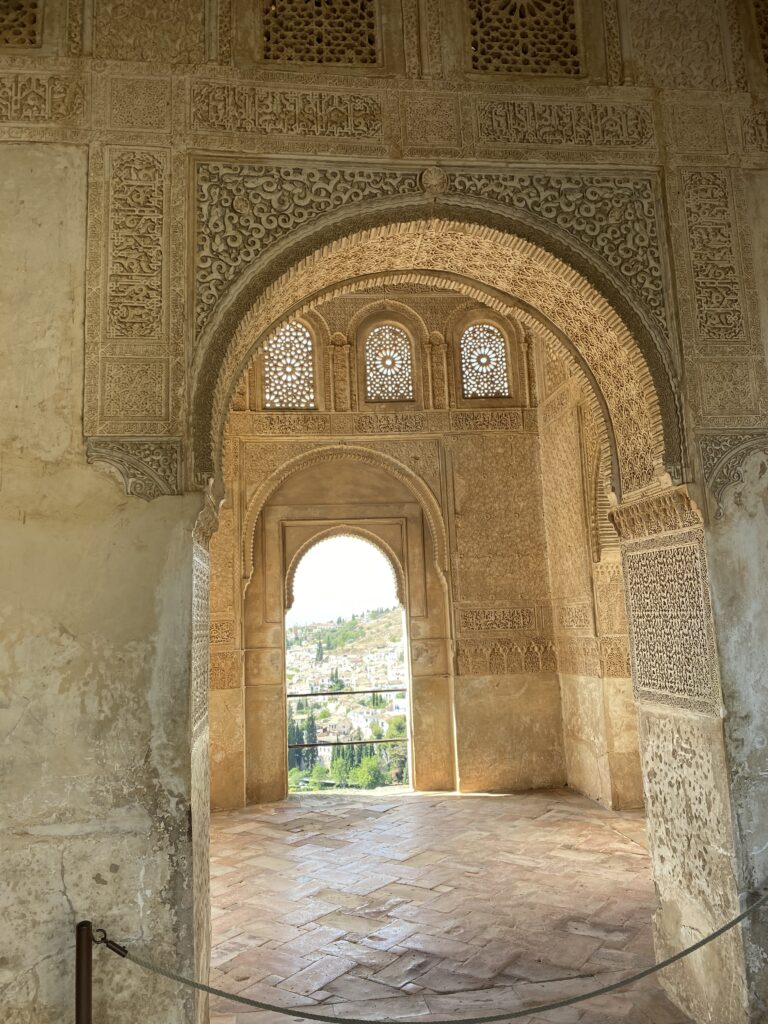
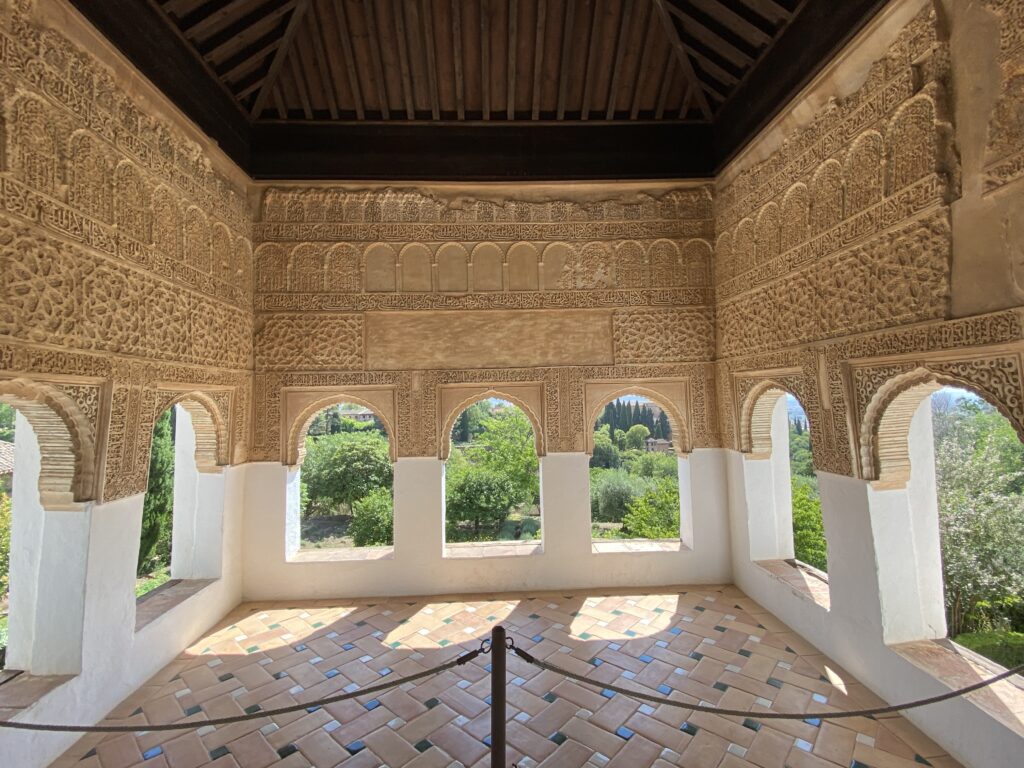
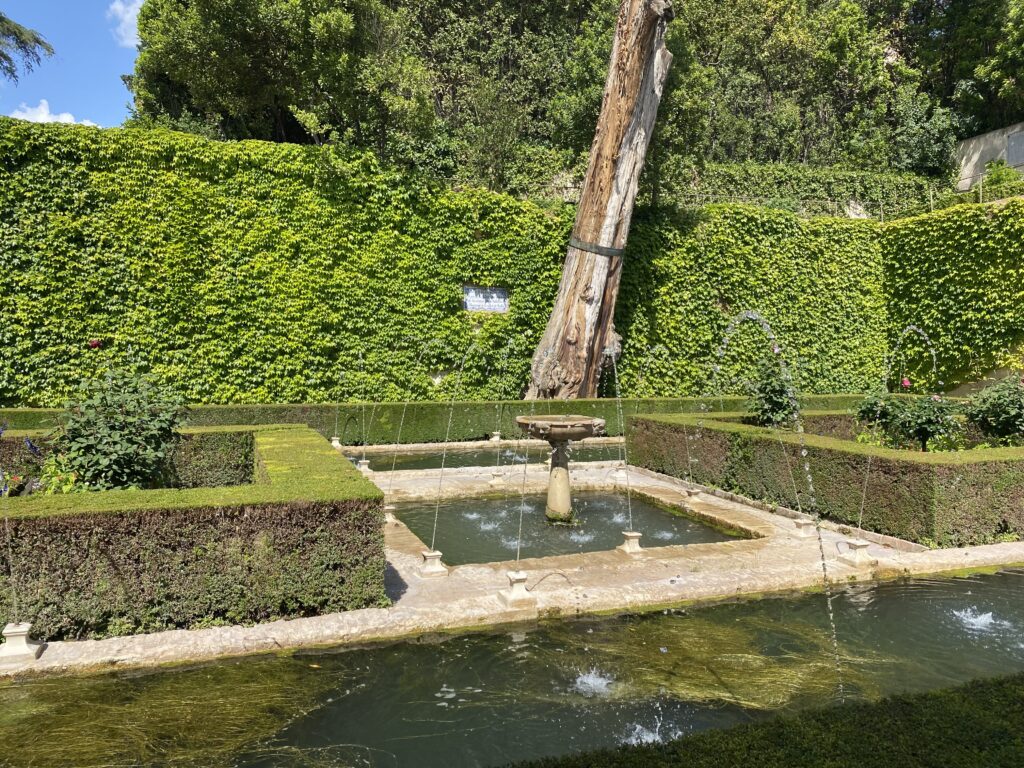
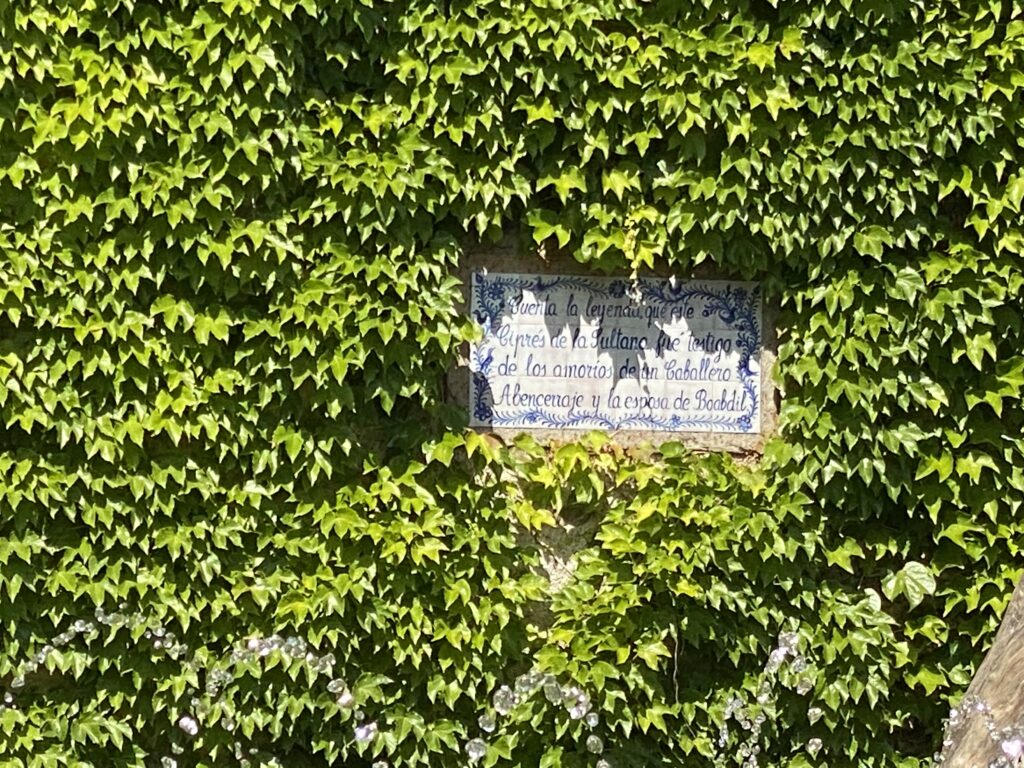
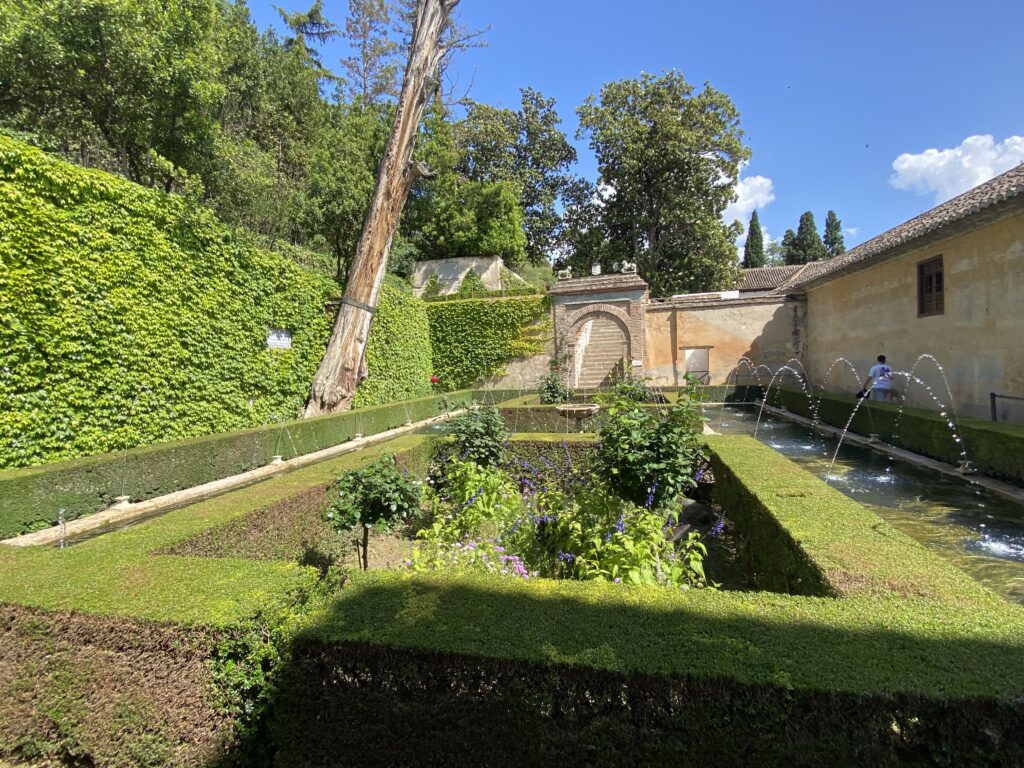
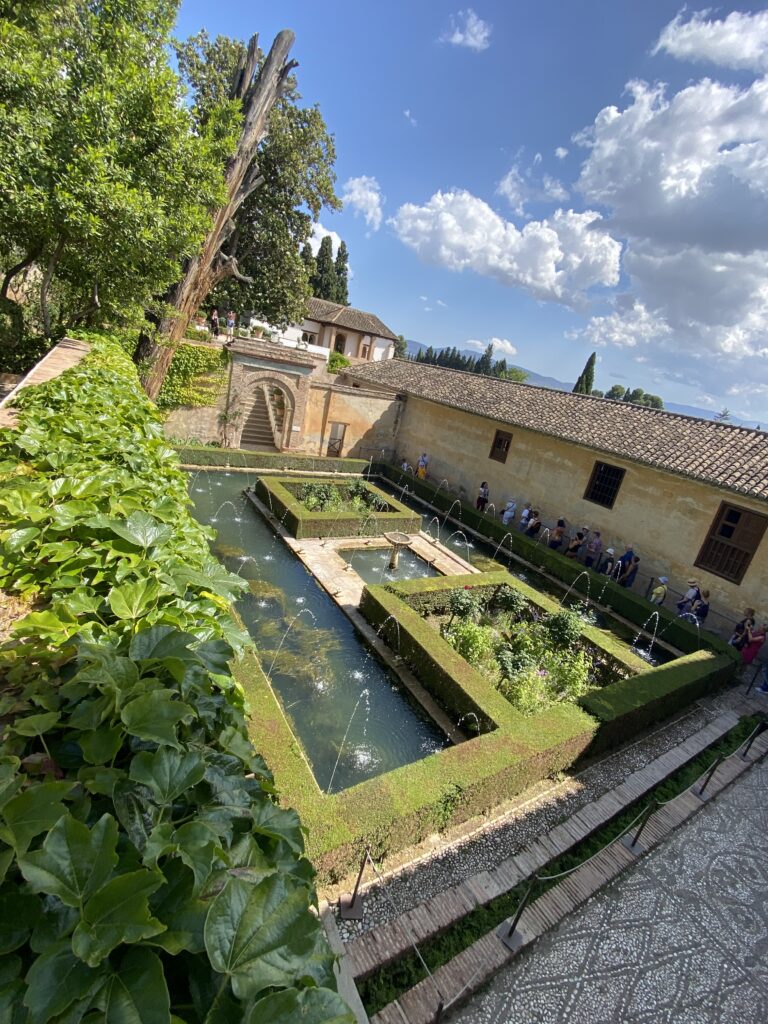
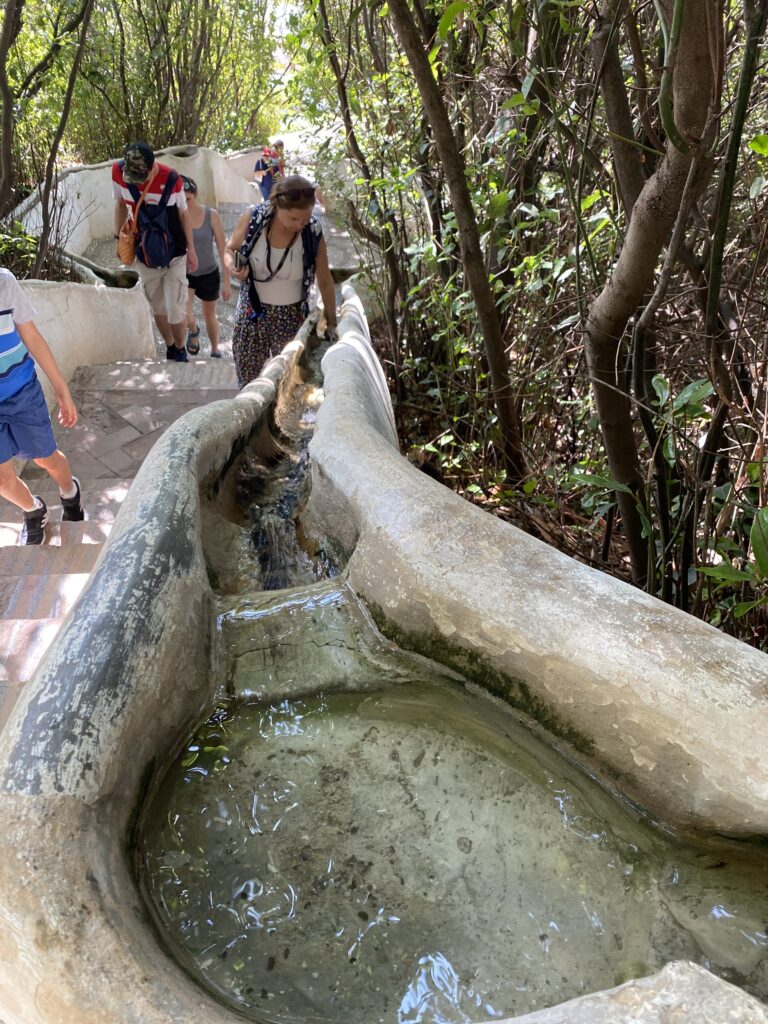
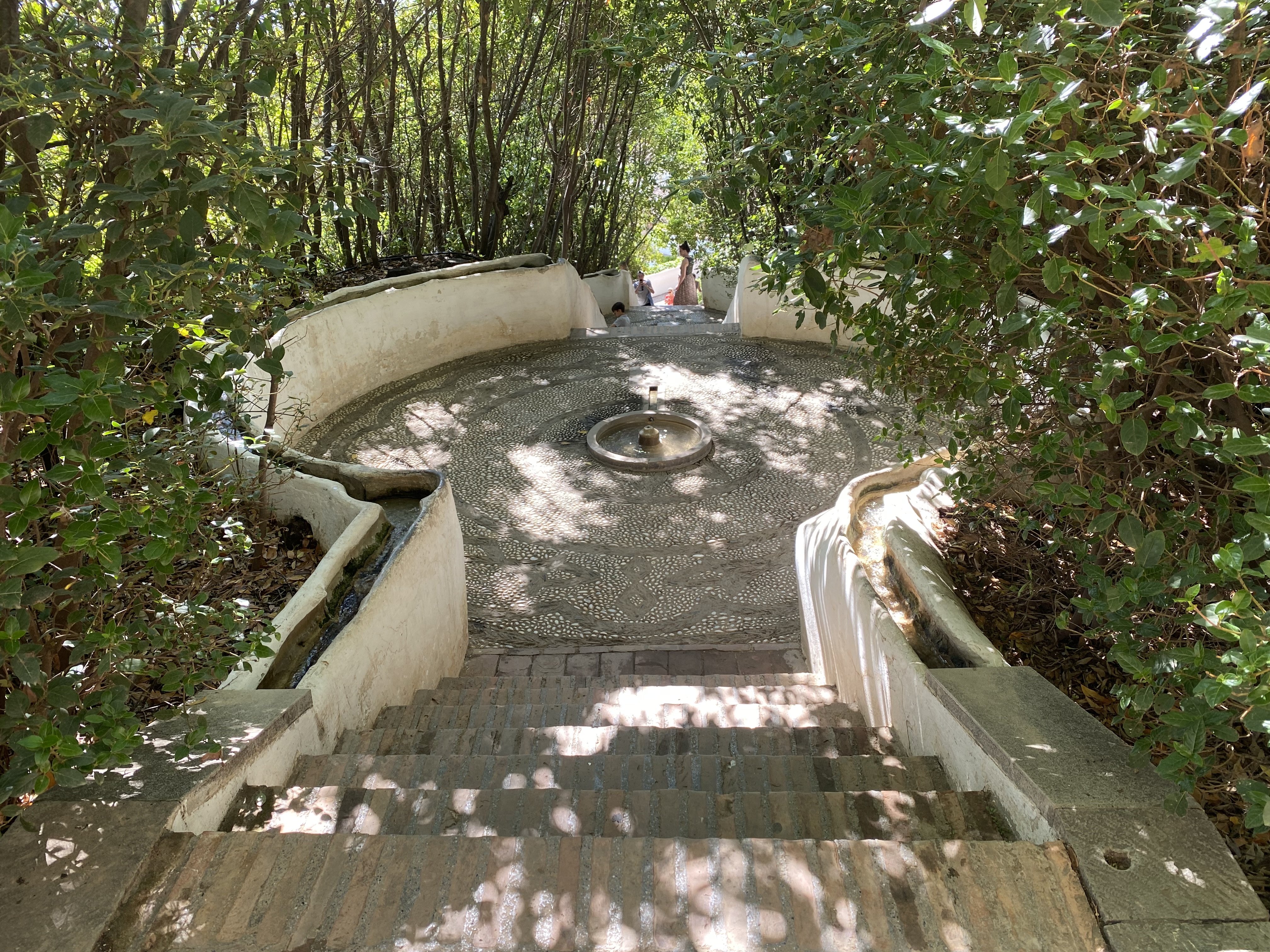
The water to the kingdom was piped in from a high mountain river 11 KMs away and has been flowing for nearly a thousand years. Even a staircase handrail in the garden has a running water feature built into it.
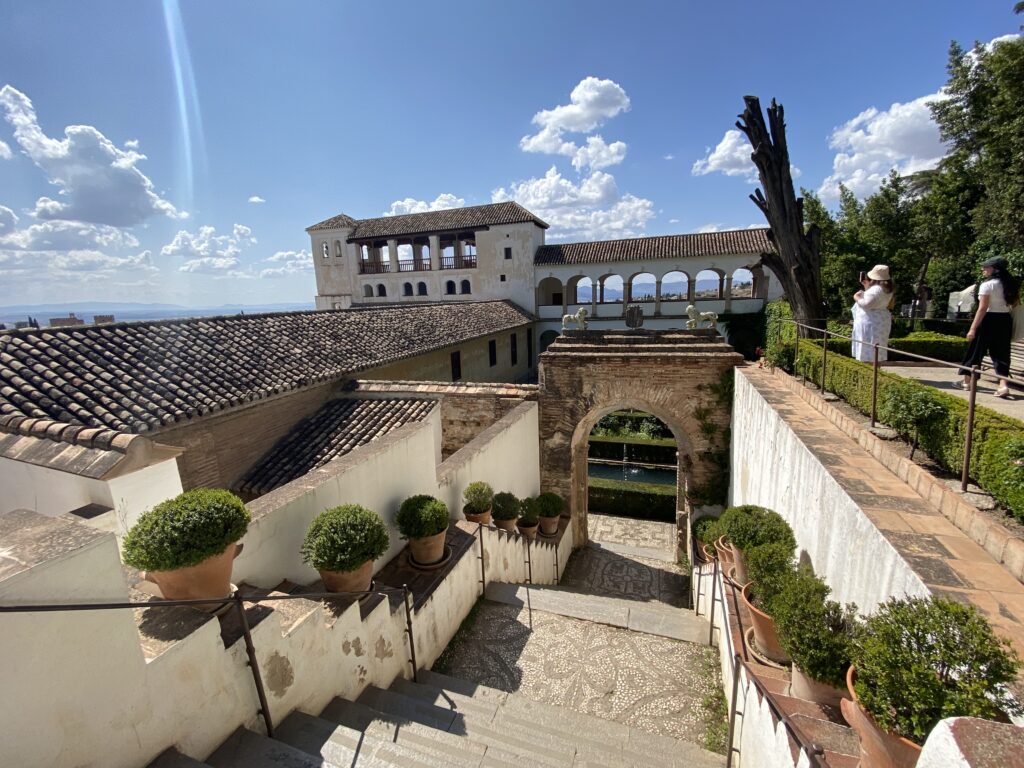
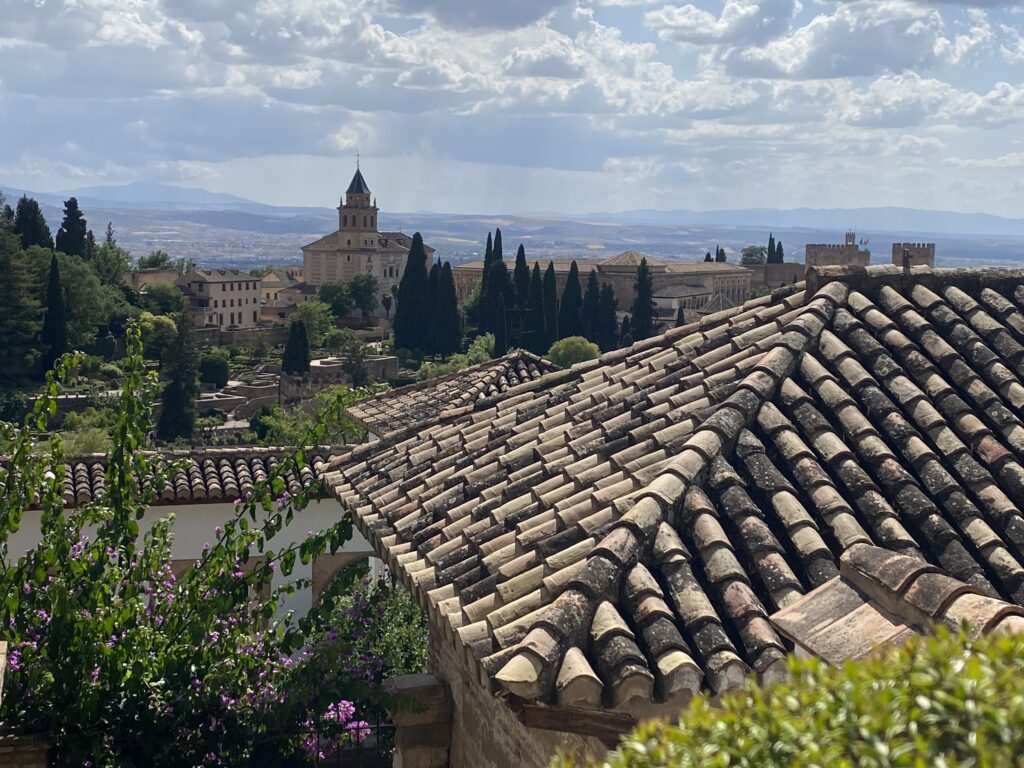
There’s so much history to the Alahambra that it’s difficult to keep it straight. Check out this link from the History Channel for a better understanding of how this has all unfolded.
https://www.history.com/topics/landmarks/alhambra
Walking to a completely different part of Alhambra we came across the tomb where Queen Isabella was originally buried until she was removed from this site to be buried alongside her husband King Ferdinand several year later, and within the city walls of Granada proper.
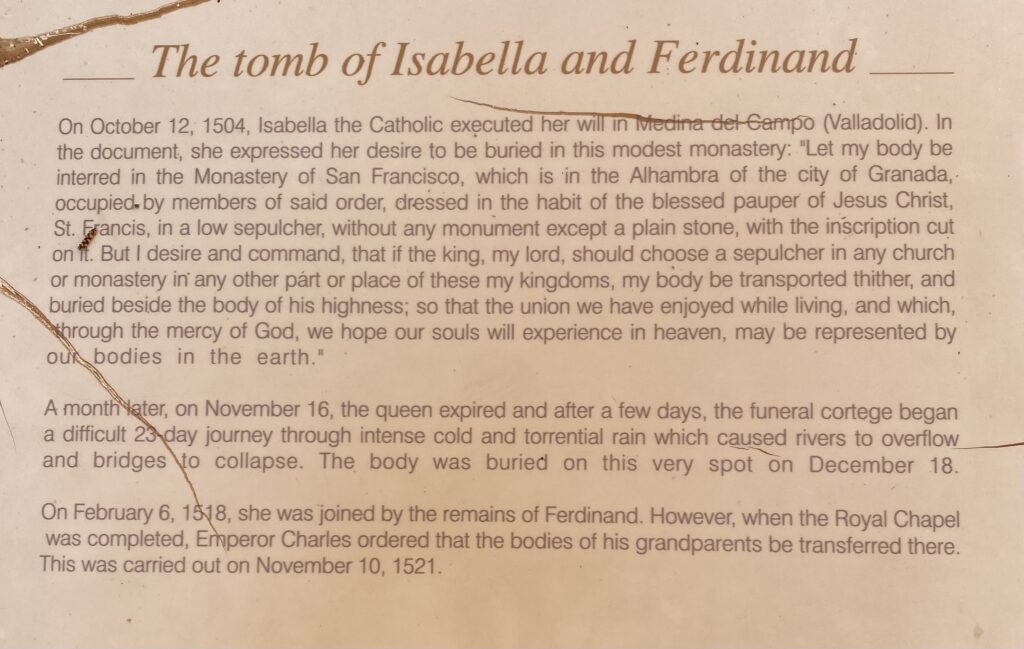
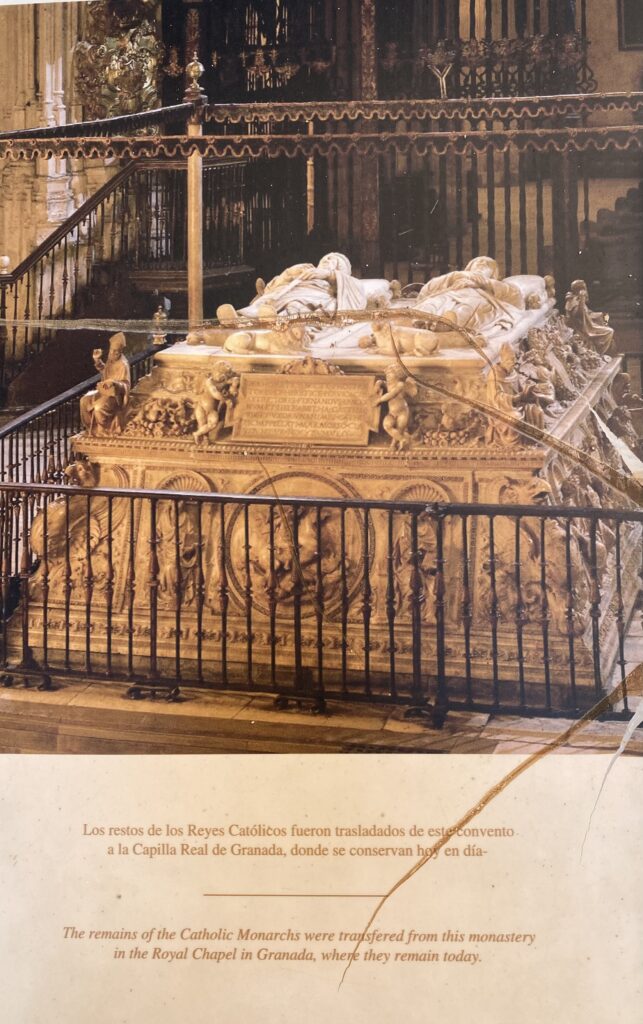
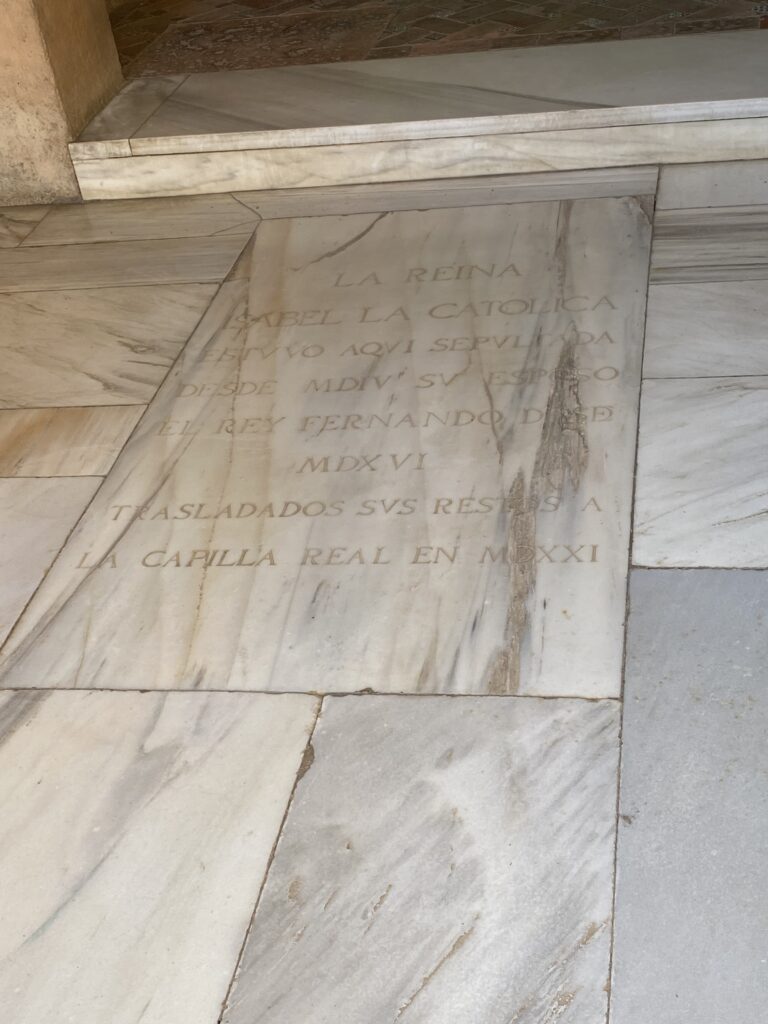
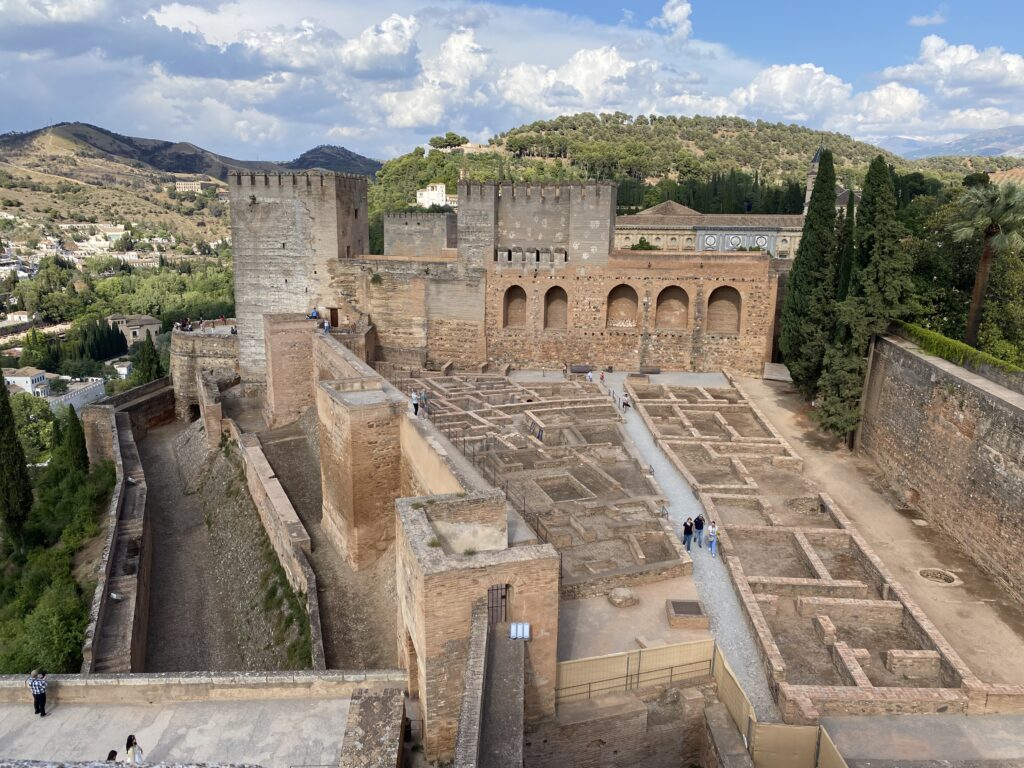
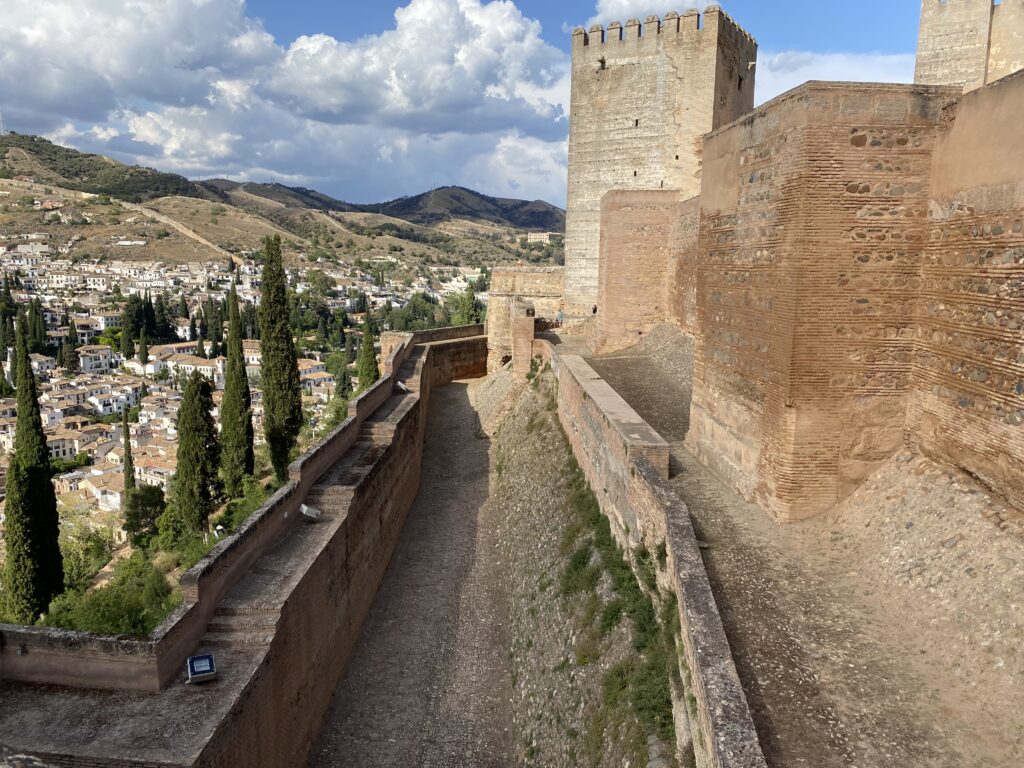
Our next stop was to explore the one mile perimeter of the castle walls overlooking Granada.
When the French occupied this fortress they pointed their cannons towards the people of the city. Mostly towards the lookout area we were standing at yesterday.
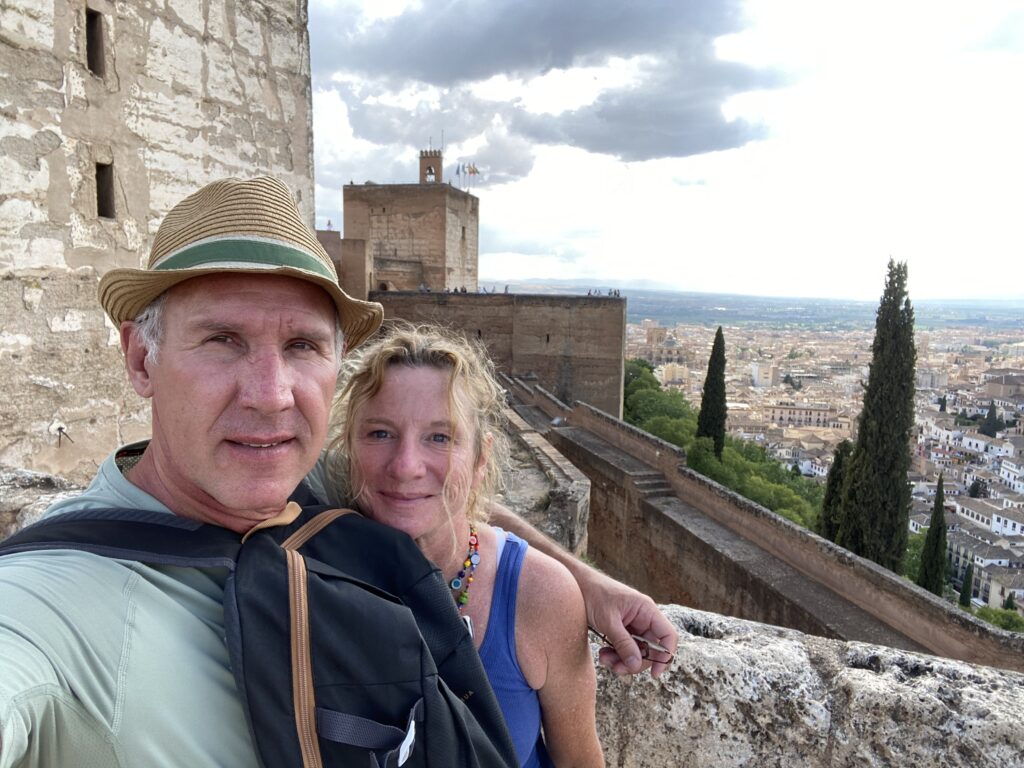
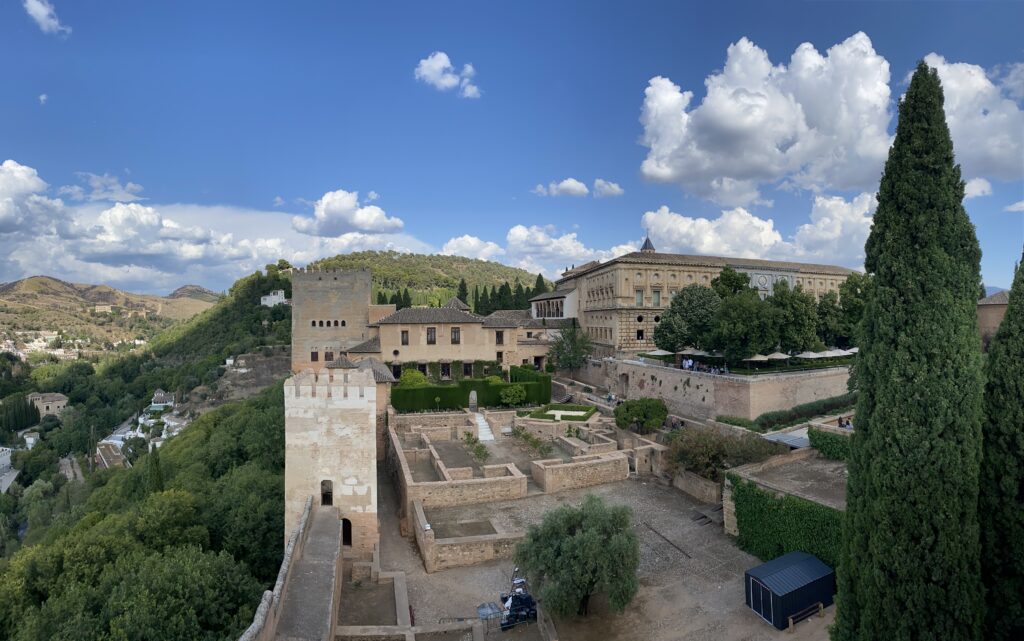
The foundation ruins from the Romans can be seen in this picture.
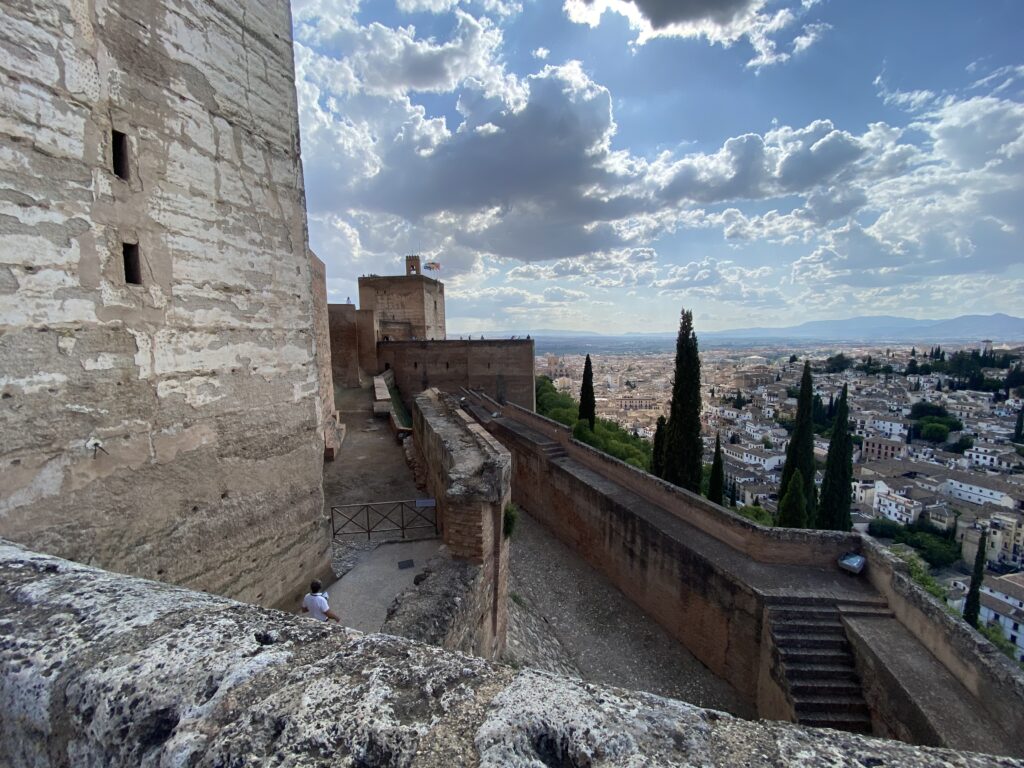
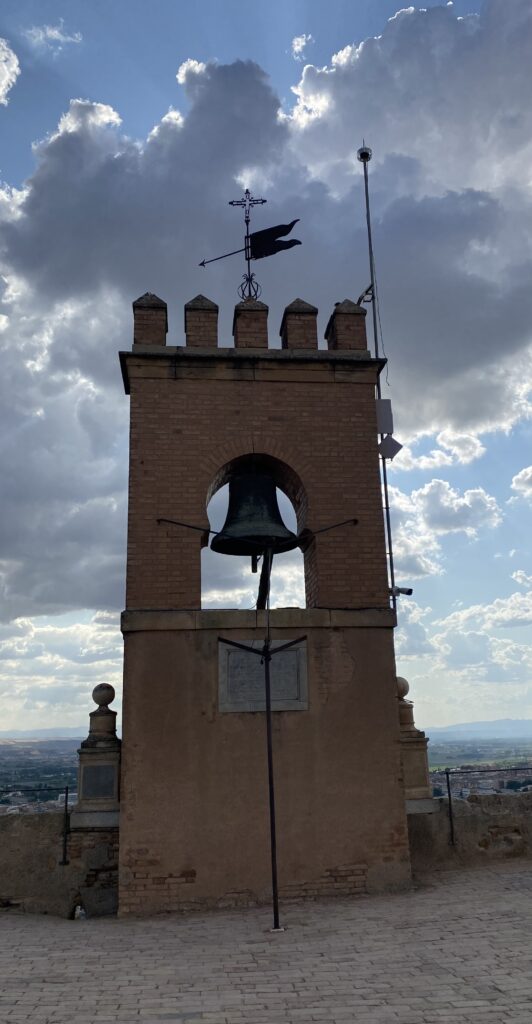
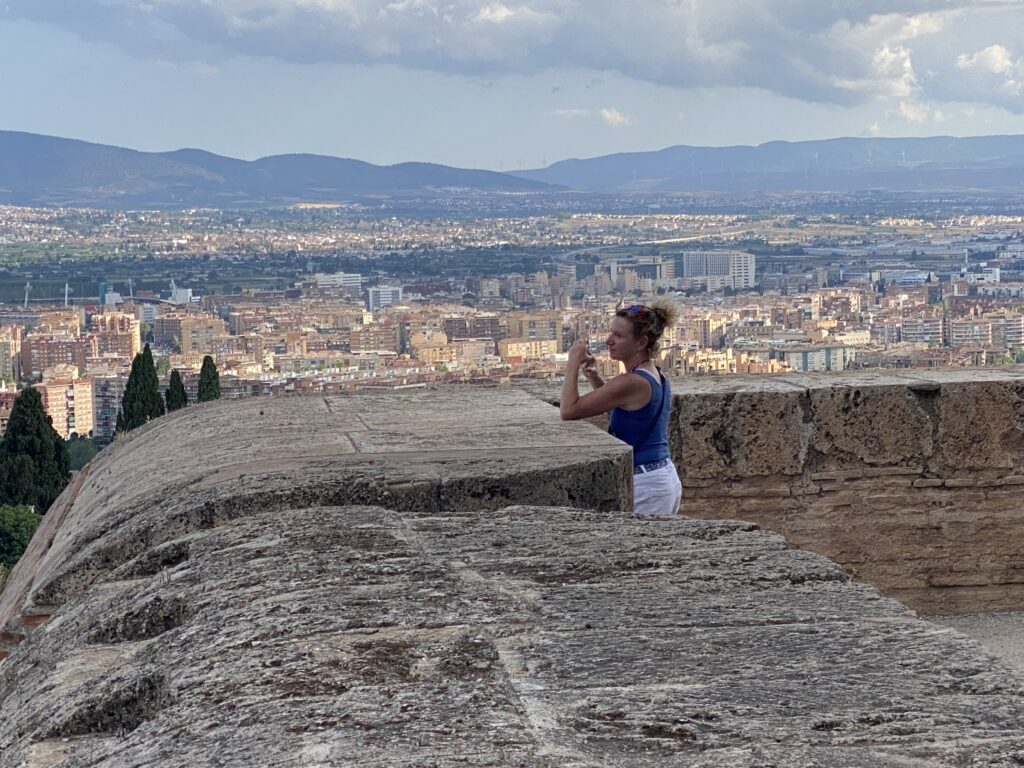
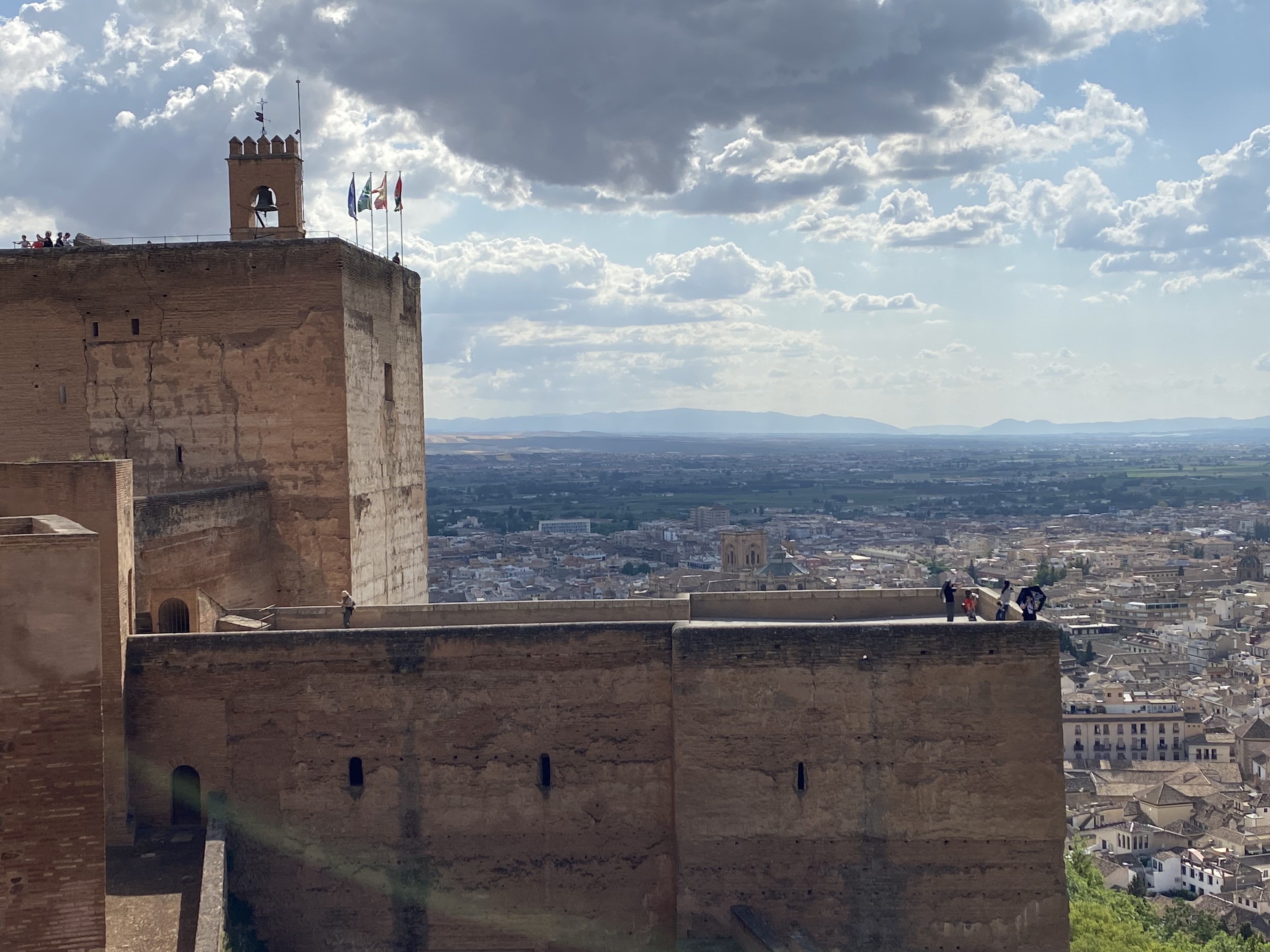
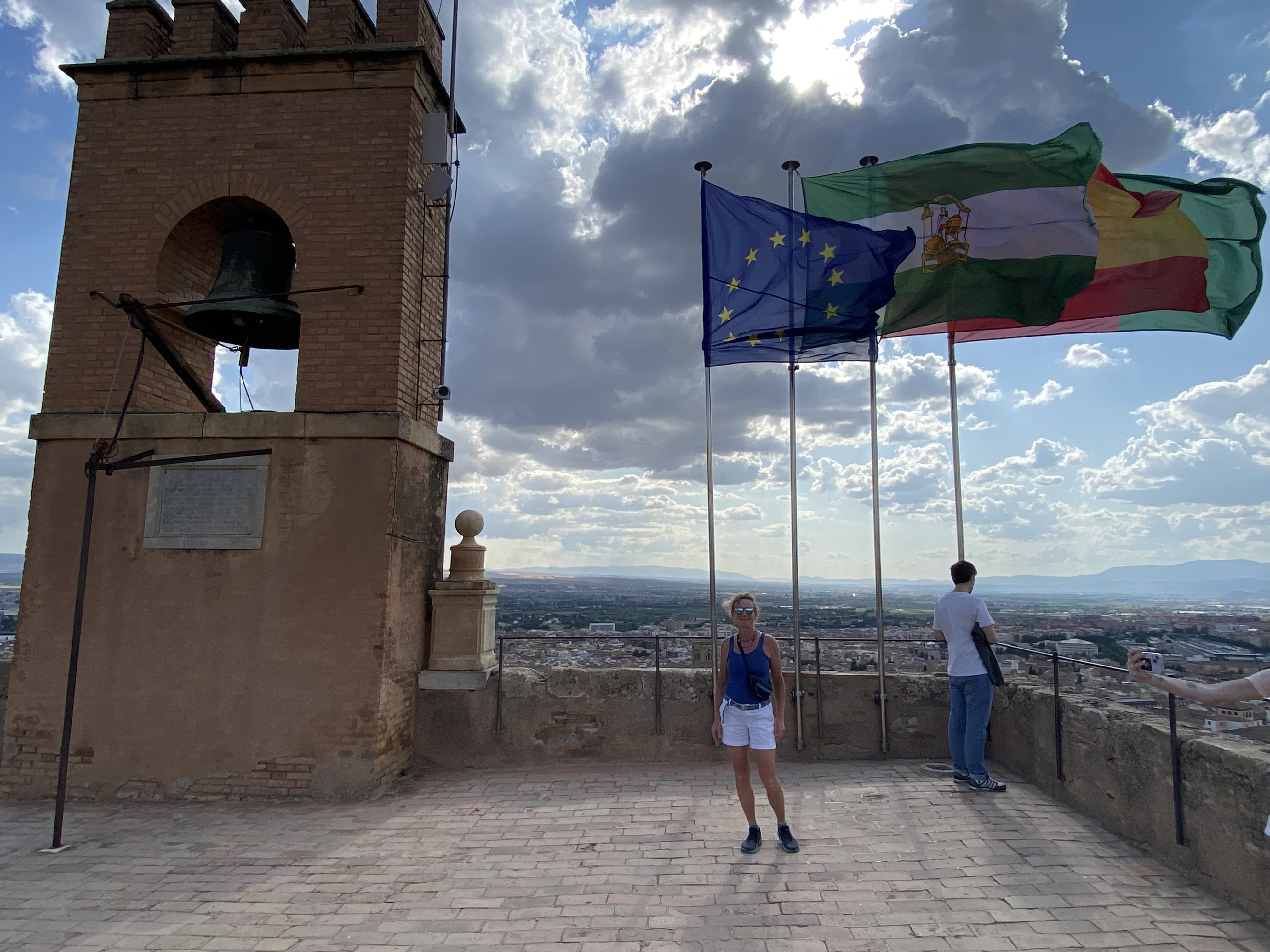
Fran overtaking the castle.
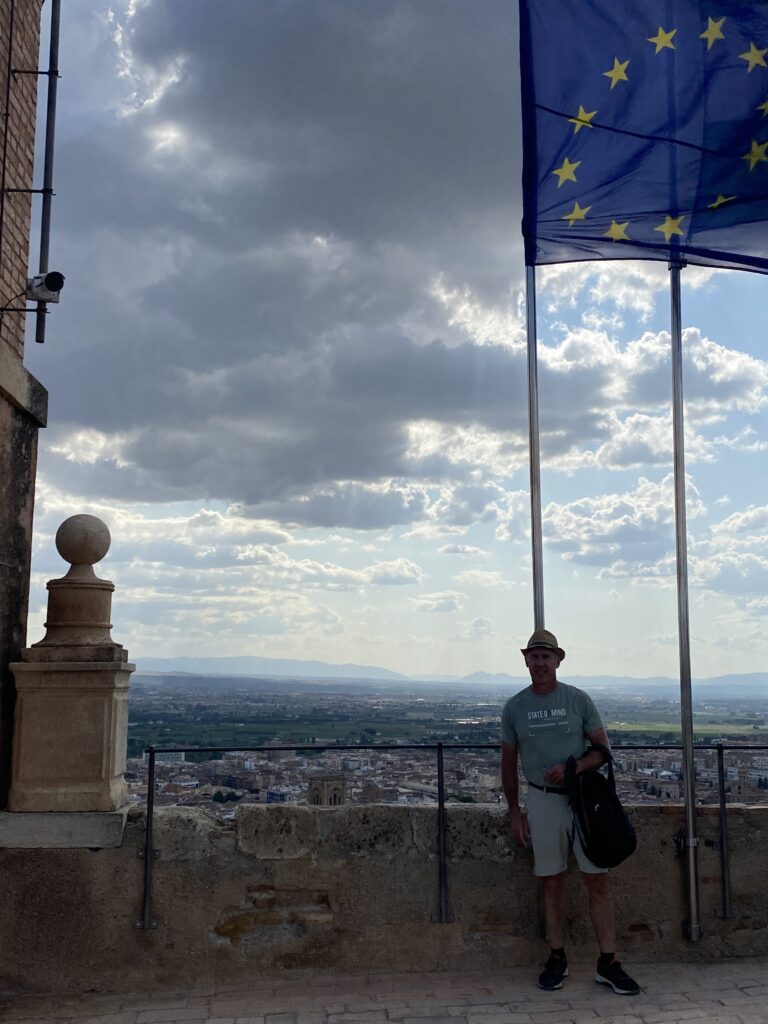
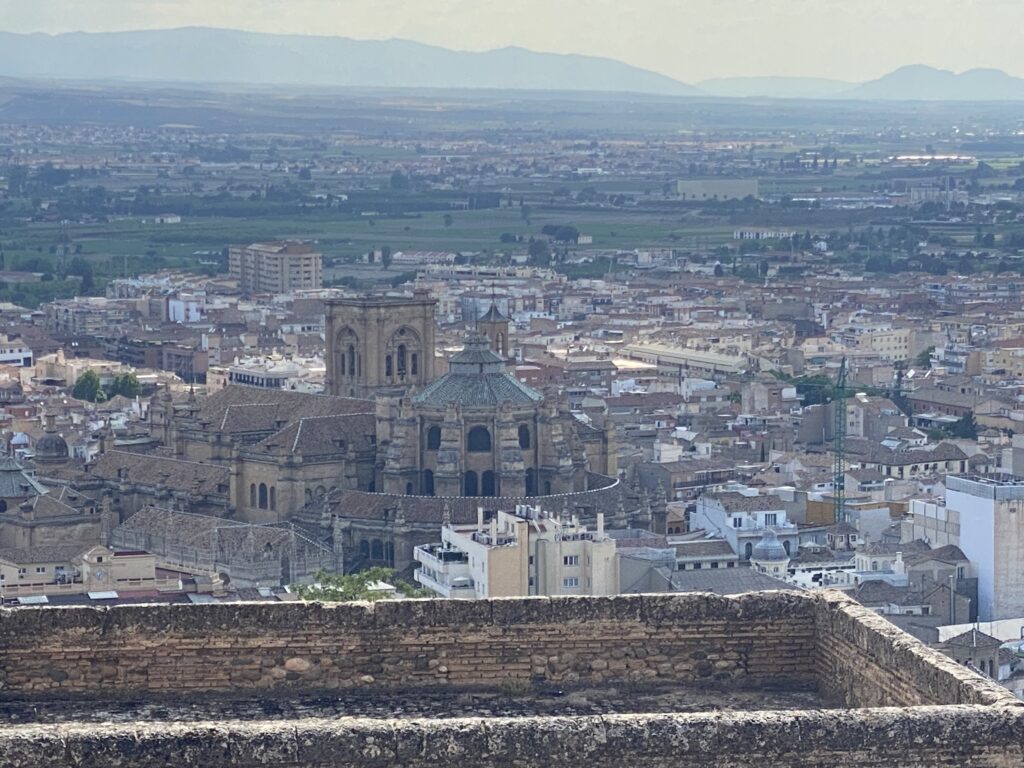
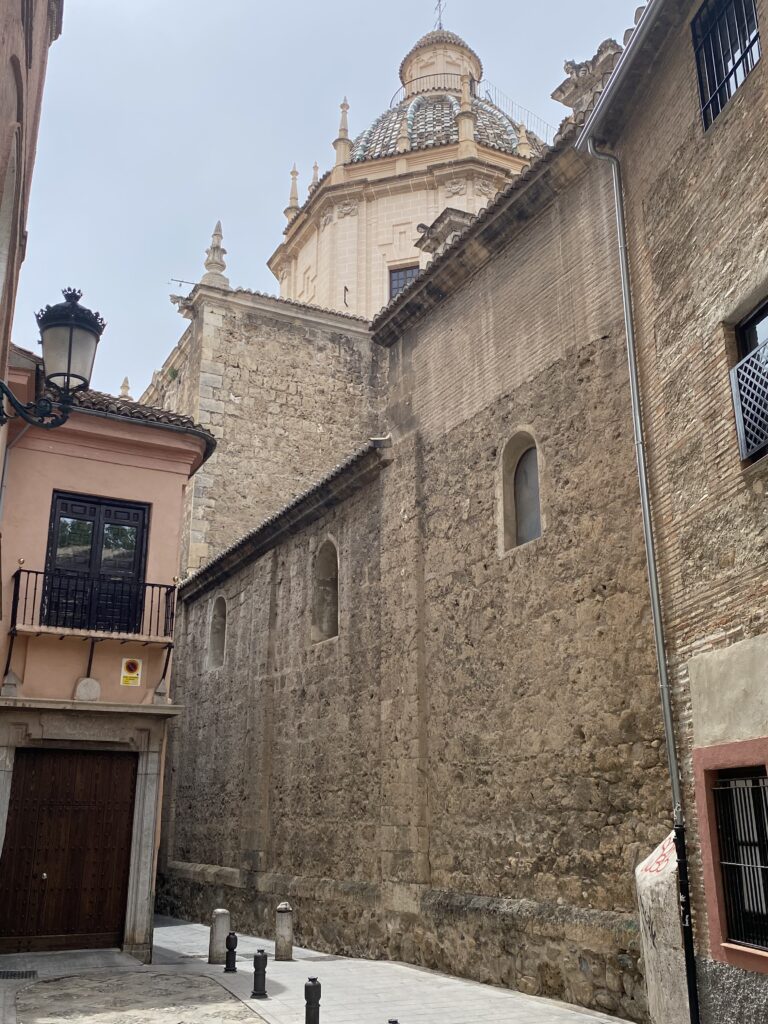
One of many cathedrals in Granada.
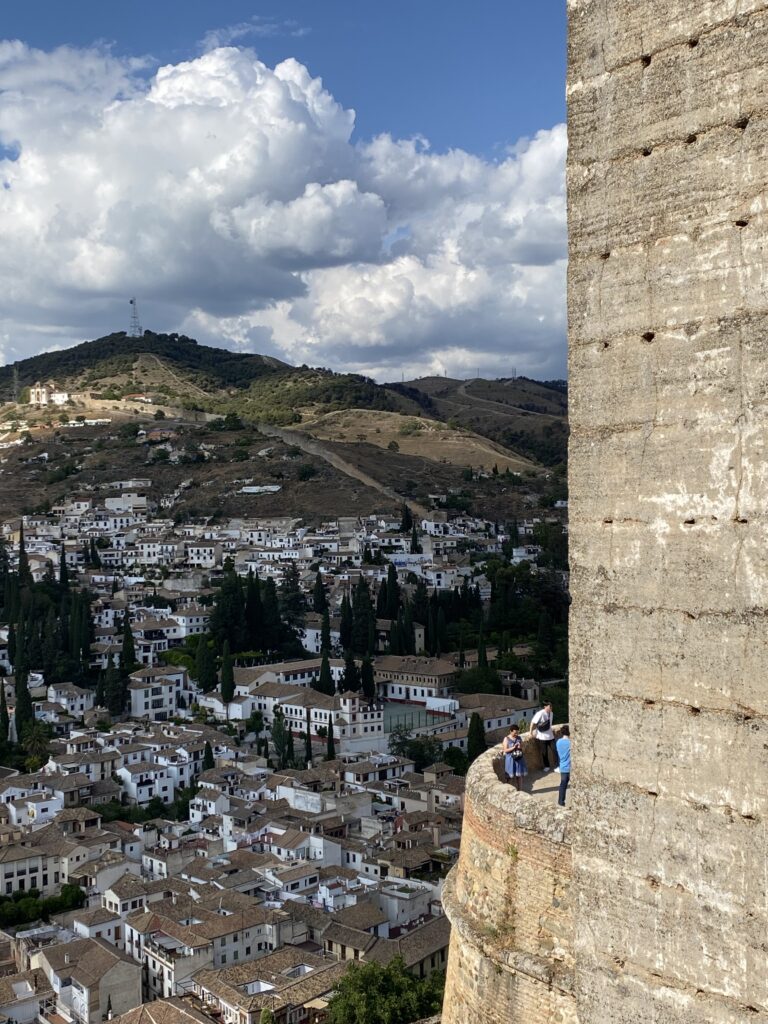
Near the white building at the top of the hill in the picture above, lies an area full of natural and mad made caves where several people currently live off the grid without running water or any of the trappings of modern day life. This is an area where the gypsies retreated to since it’s relatively difficult to get to and it also provided them with literally a hole in the wall to live in. Several years ago the government built a housing development just north of the caves on the other side of the wall and offered the people in this area “affordable housing”, whatever that means in this day and age. Several people still choose to live the rudimentary cave lifestyle, and that’s going to be our early morning destination to hike up to. The white building is also part of one of many Camino trails in the area and also provides a terrific vantage point to see all of Granada.
One successive ruler after another built their palace in the latest and greatest style with little regards for working within a budget or for the health and well-being of their indentured servants. That was the good old days when things got done and nobody complained. Except for the odd slave of course, but they didn’t complain for long.
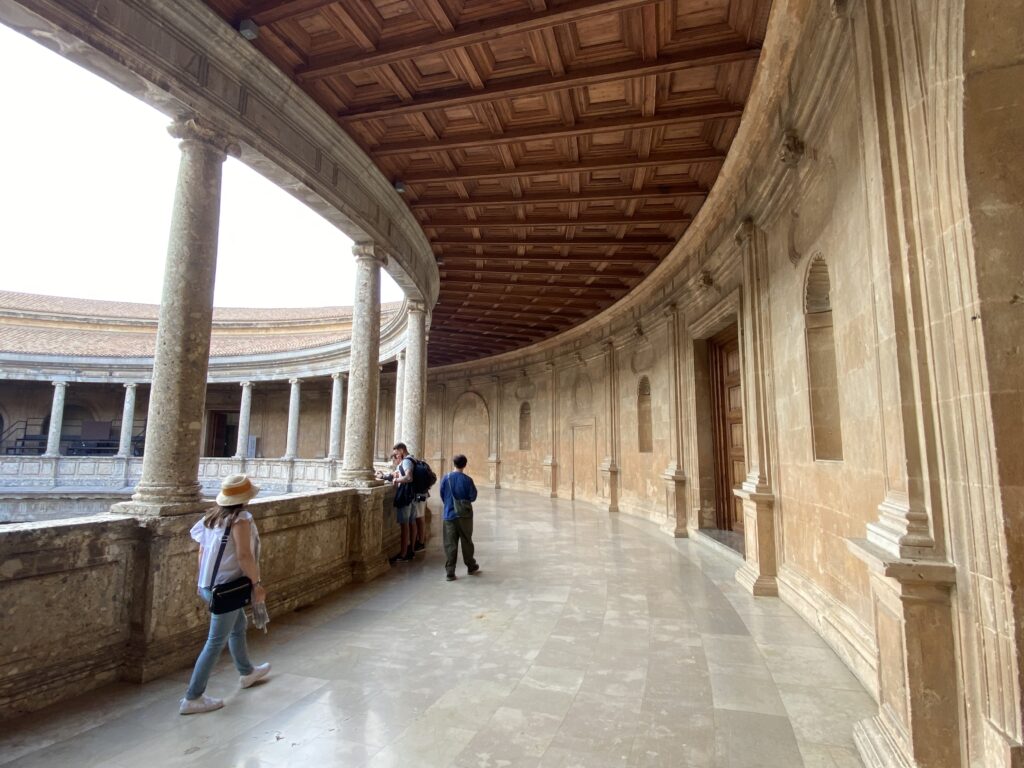
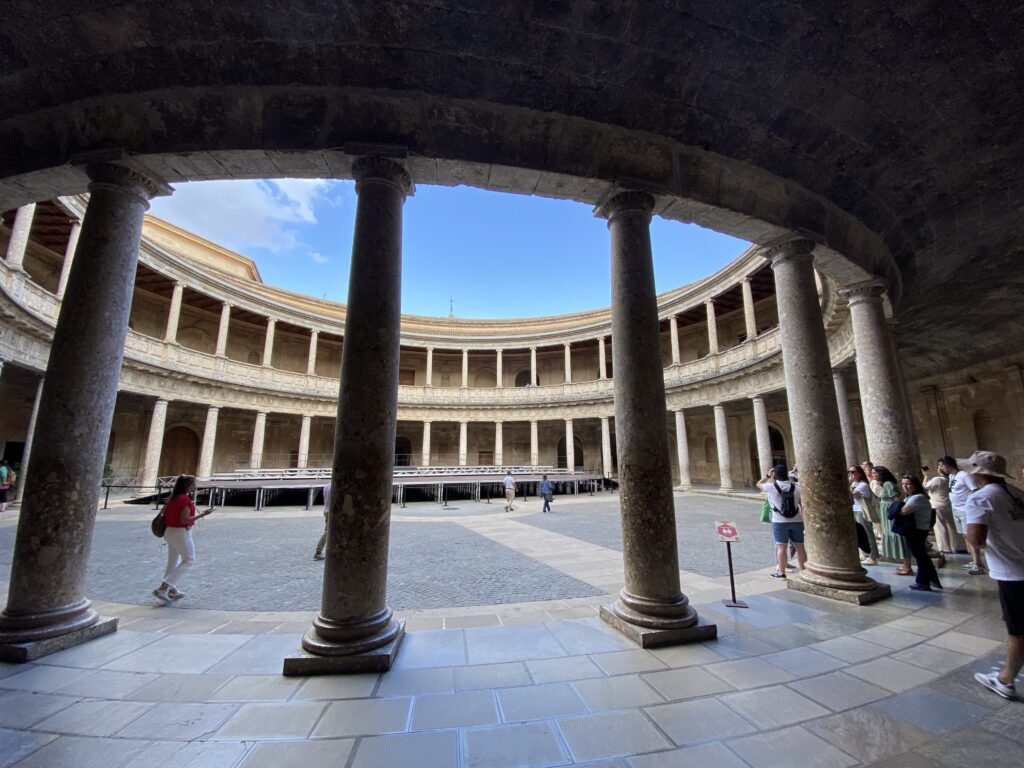
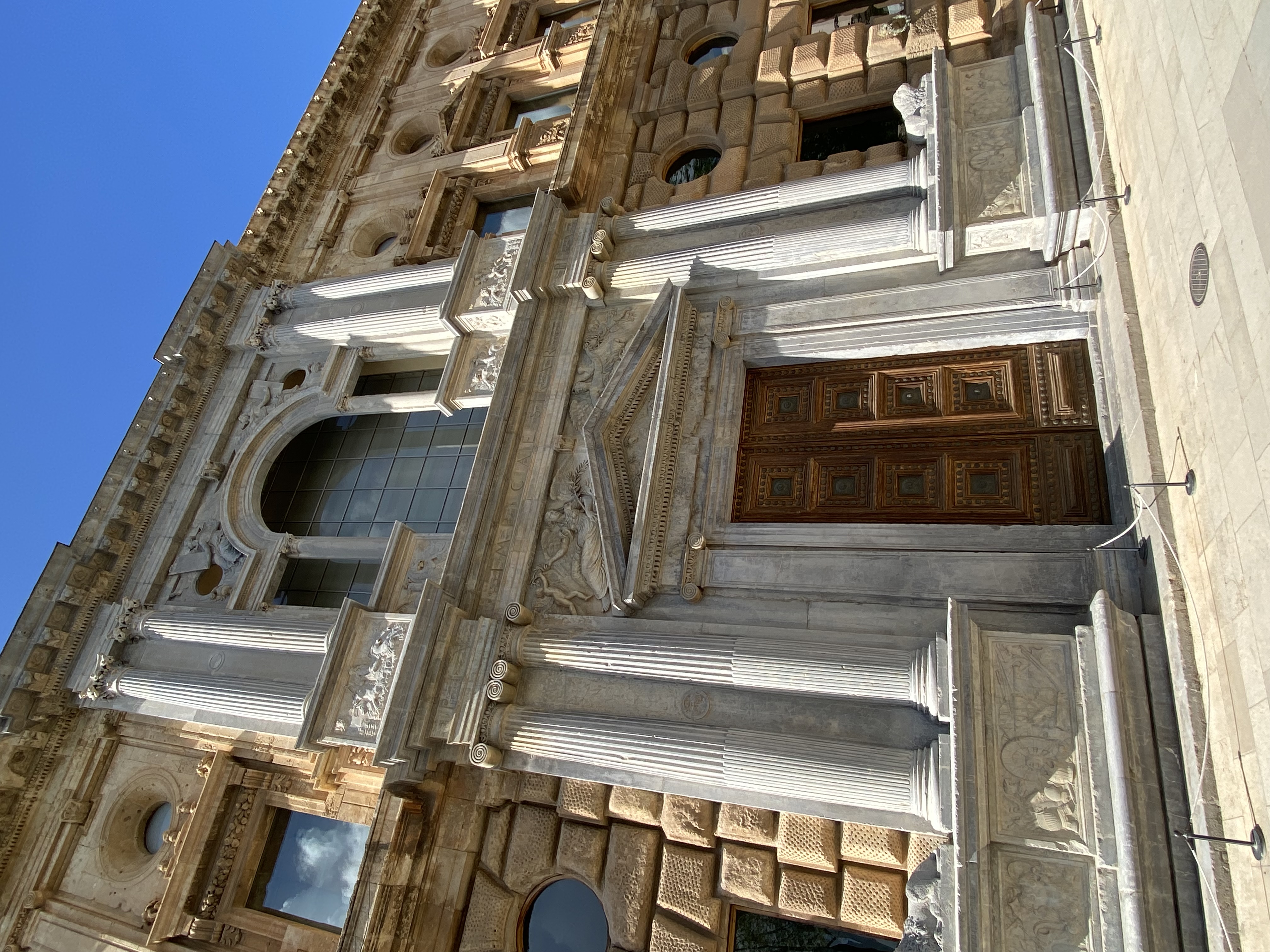
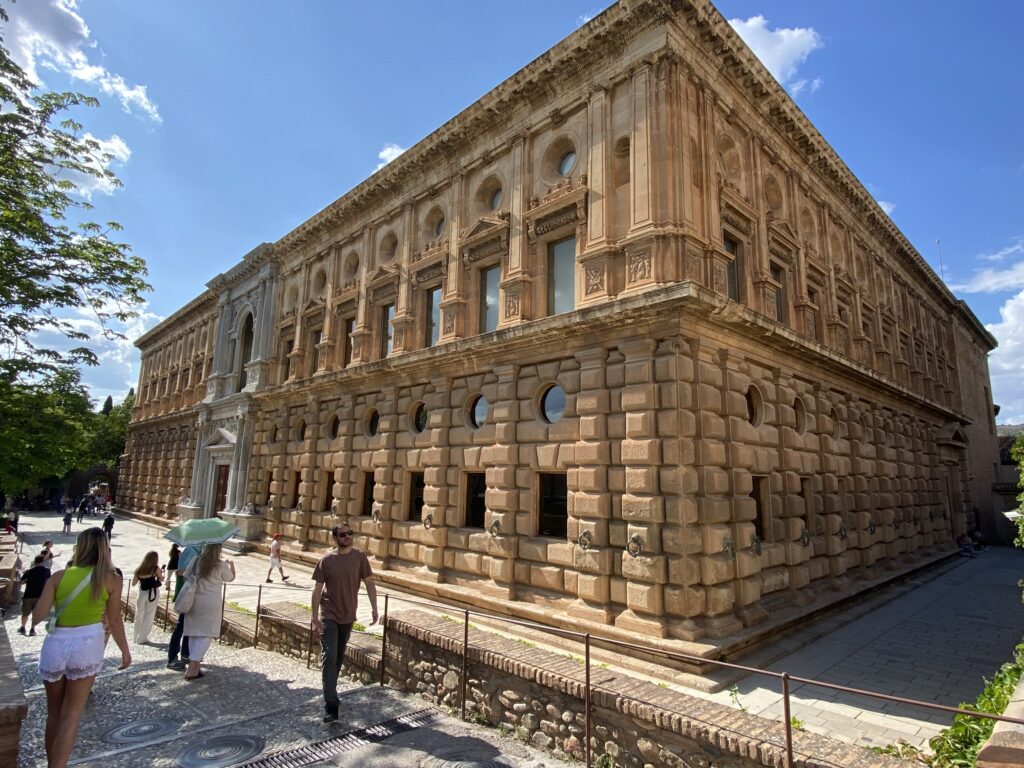
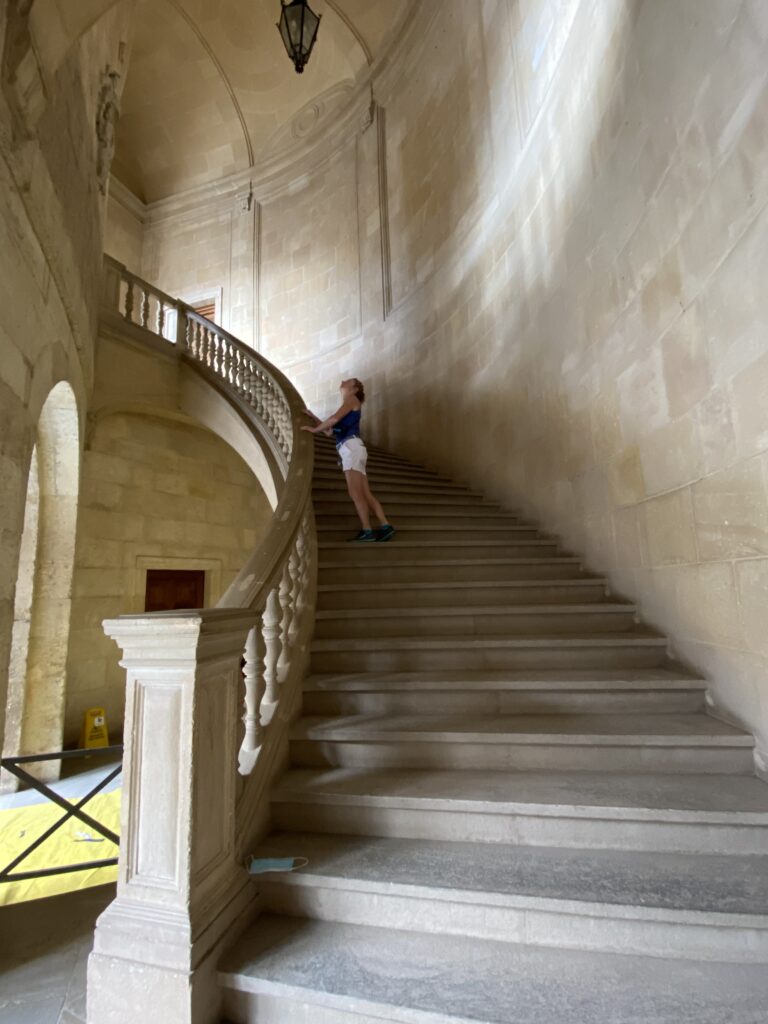
The Palace of Charles V is a Renaissance building inside the Alhambra, that began construction in 1527 but dragged on and was left unfinished after 1637. The building has never been a home to a monarch and stood roofless until 1967. Today, the building also houses the Alhambra Museum on its ground floor and the Fine Arts Museum of Granada on its upper floor.
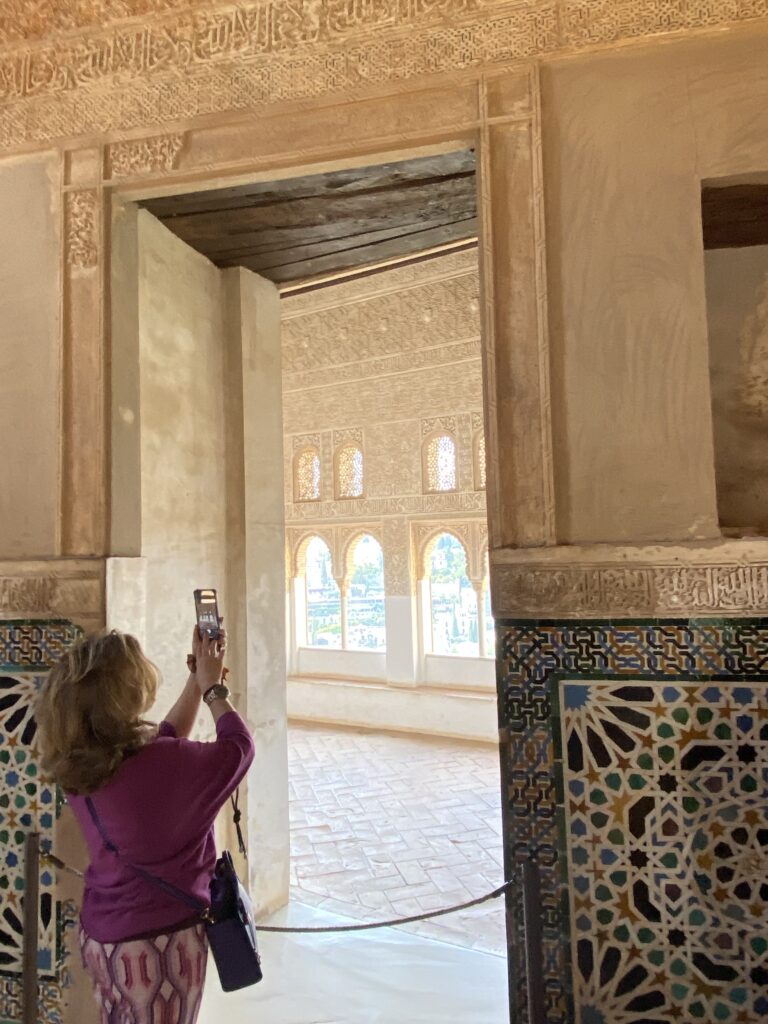
We made our way to the Nasrid Palace at 4:00 PM for our half hour of time to tour the grounds. There’s a continuous stream of people visiting the palace and they allow only so many people inside per half hour, which made for a better chance of getting a few good pictures without too many people in the way.
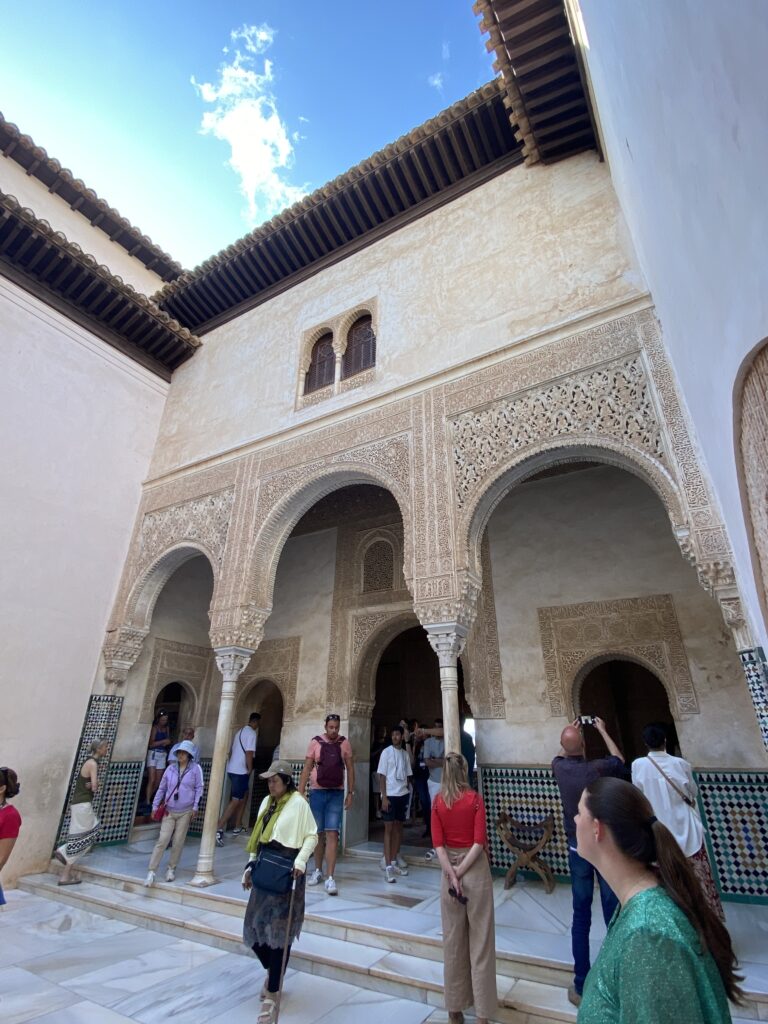
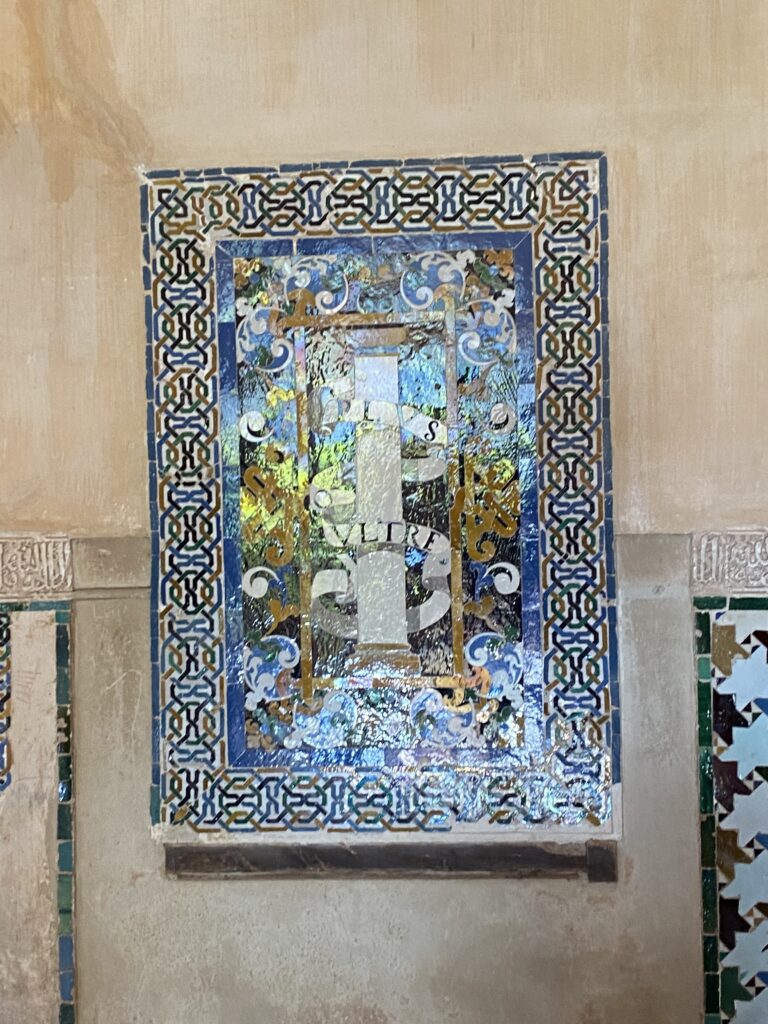
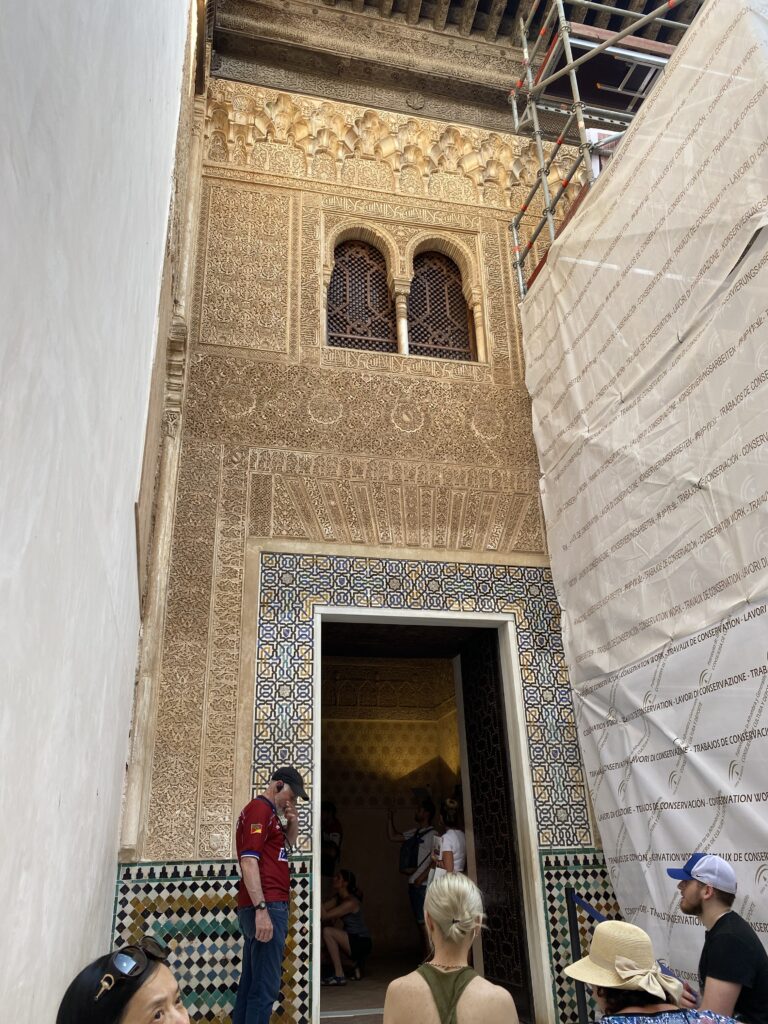
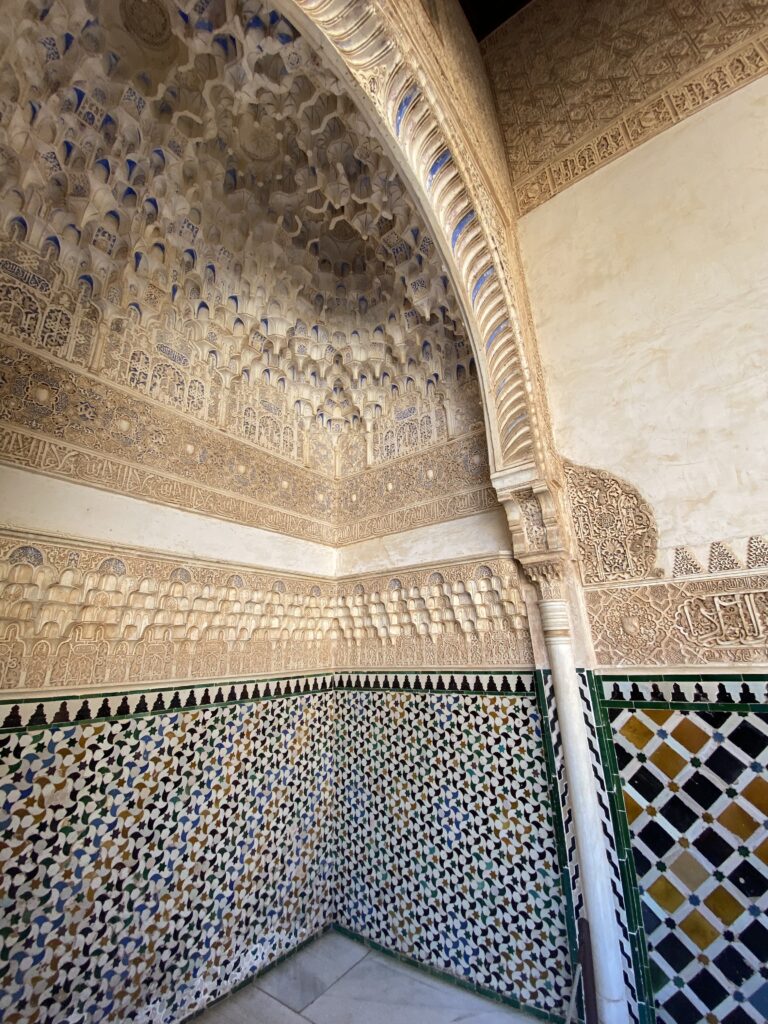
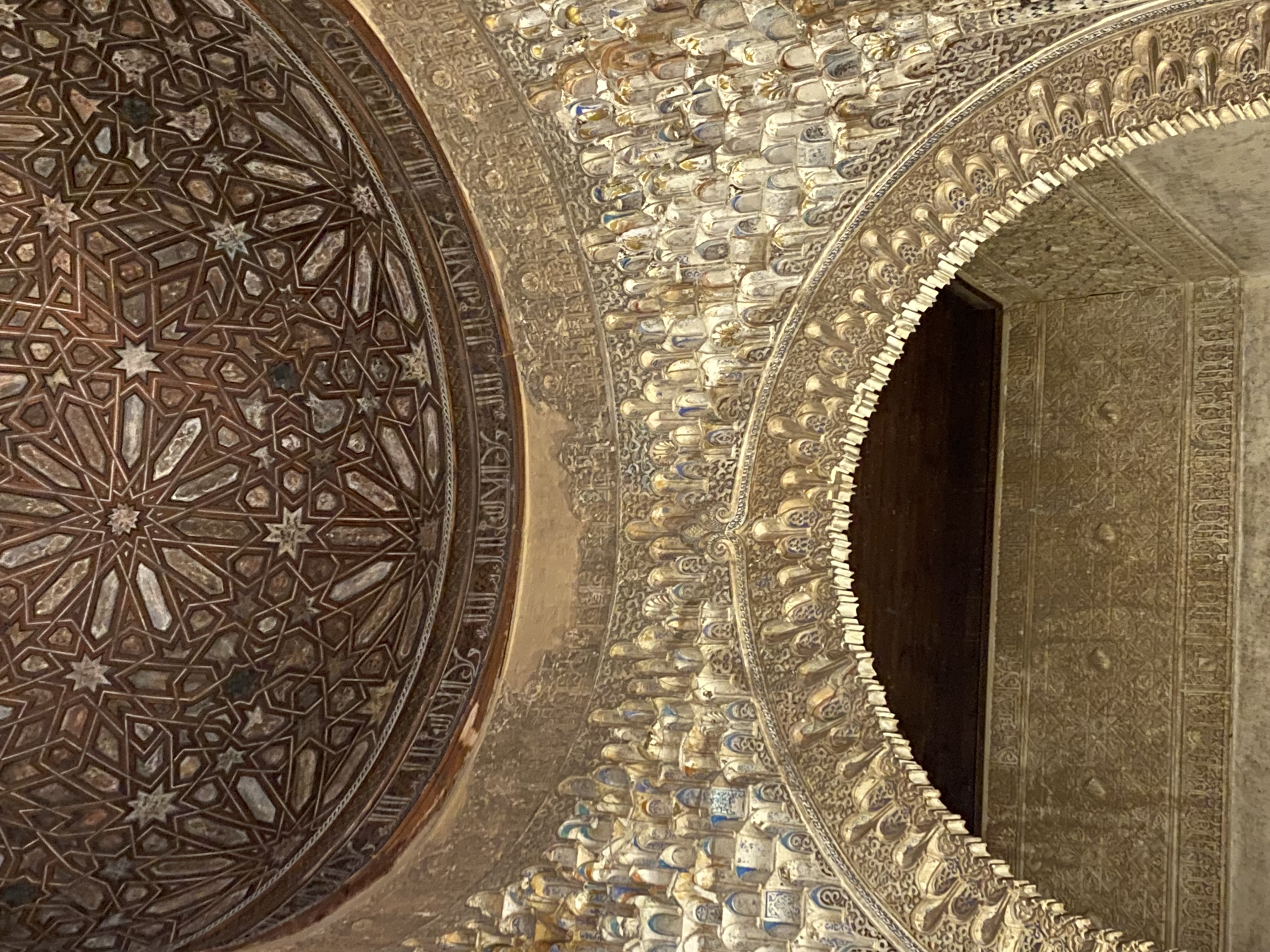
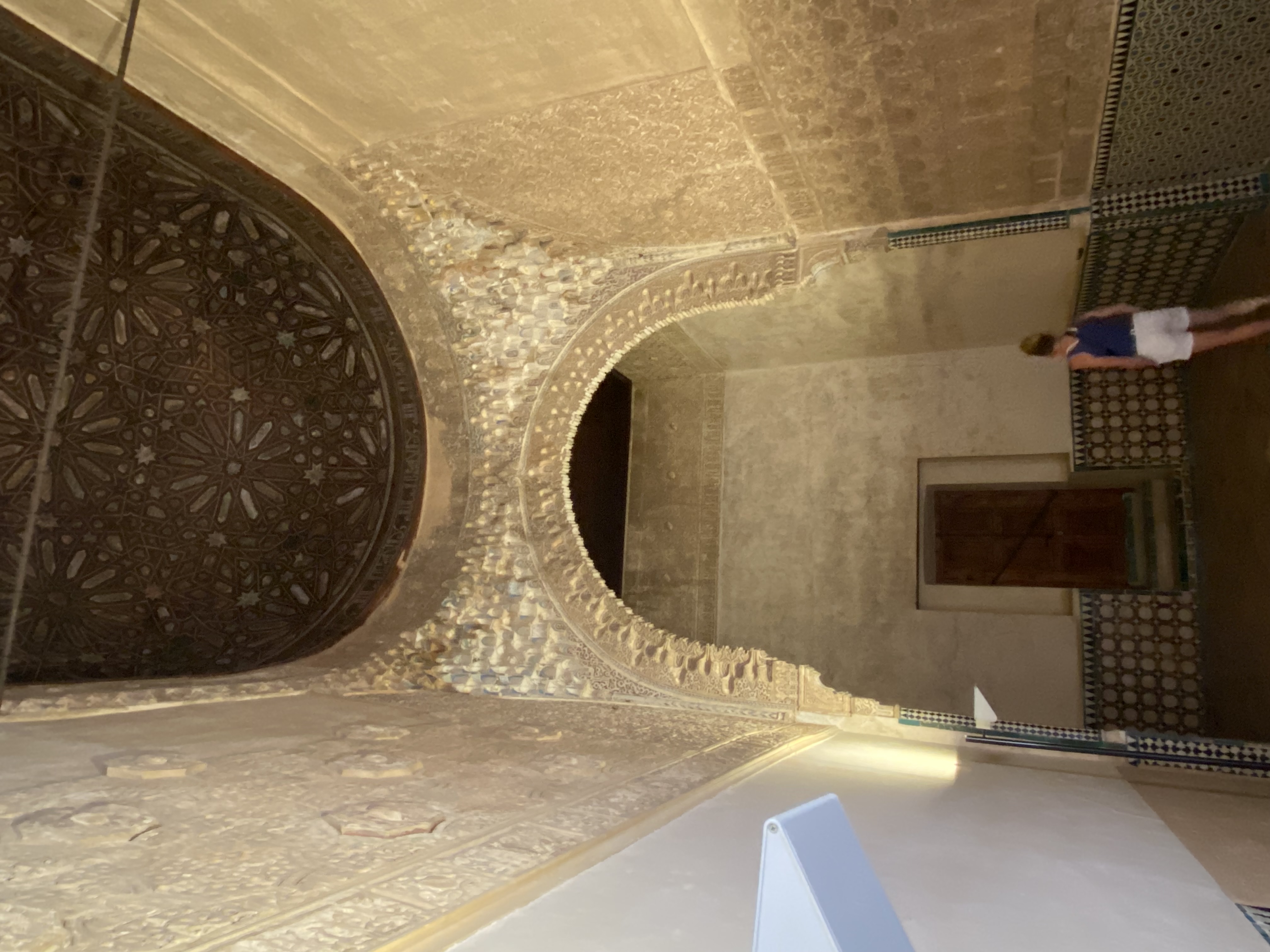
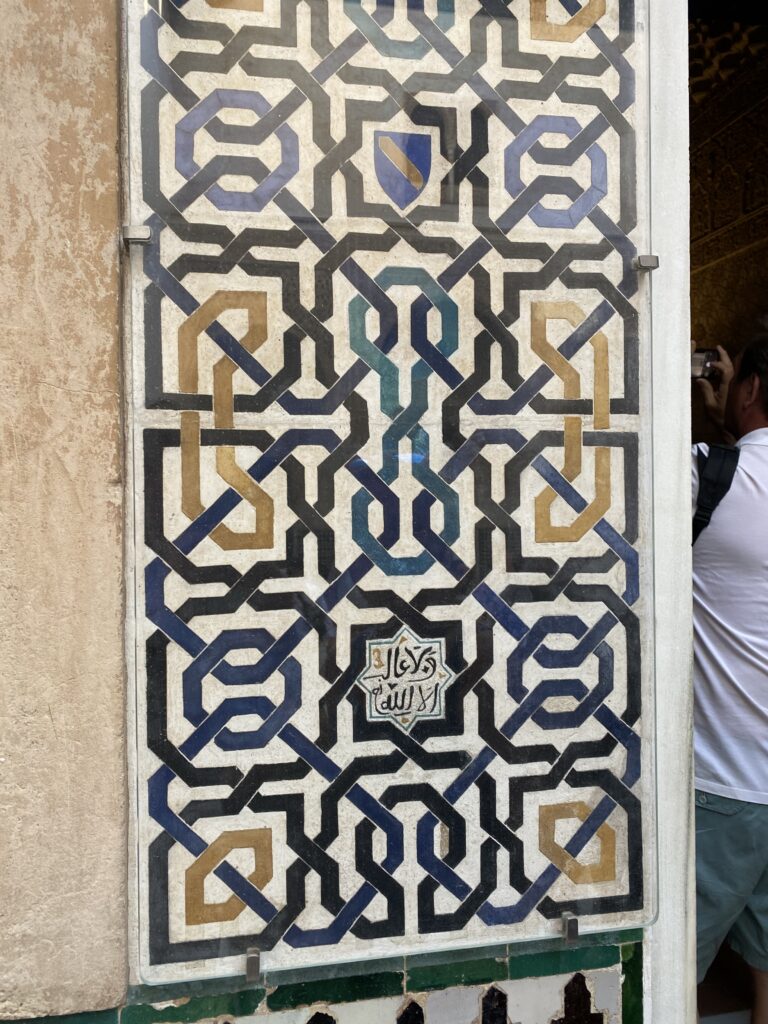
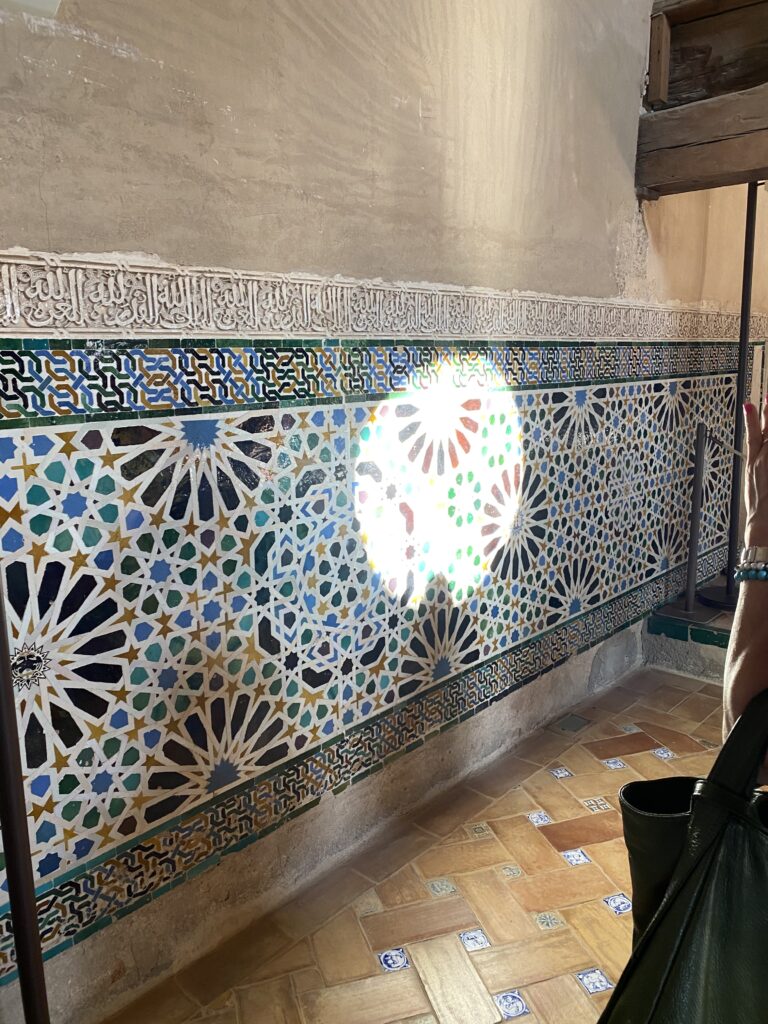
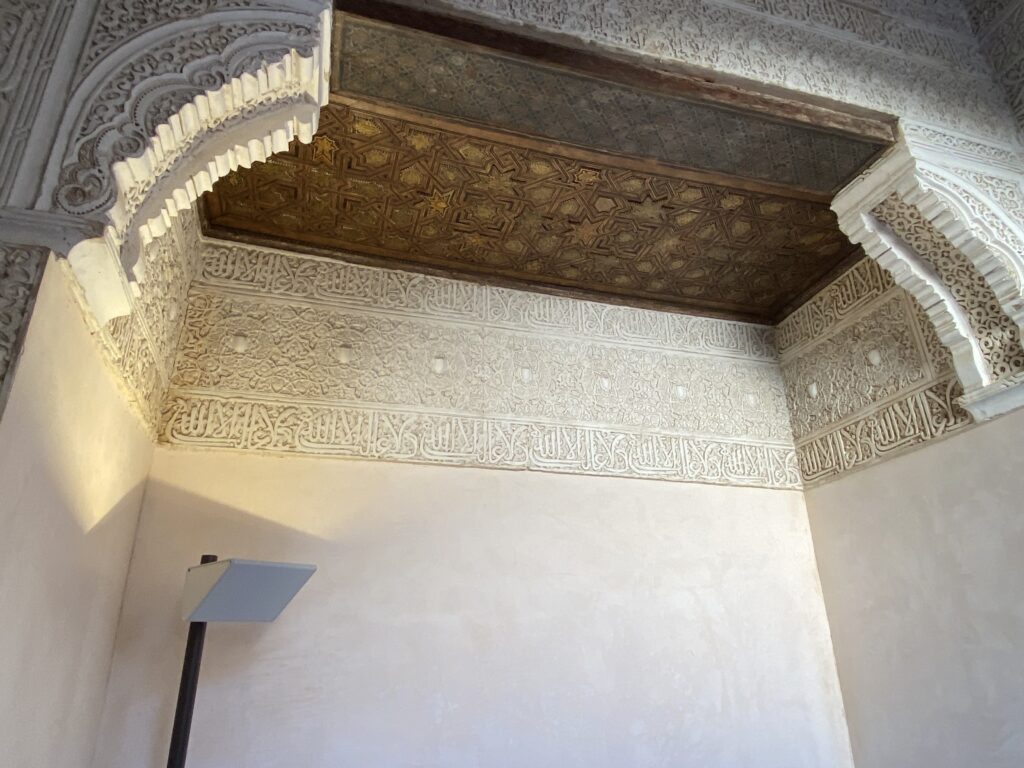
Often described as the highlight of Alhambra, the Nasrid Palace is a beautiful mansion that was built for the Spanish Muslim rulers. With its perfectly proportional rooms, breathtaking symmetry, intricately detailed stucco walls, antique wooden ceilings, and brightly coloured tiles, the Nasrid Palace is stunning in every sense of the word and definitely worth your time.
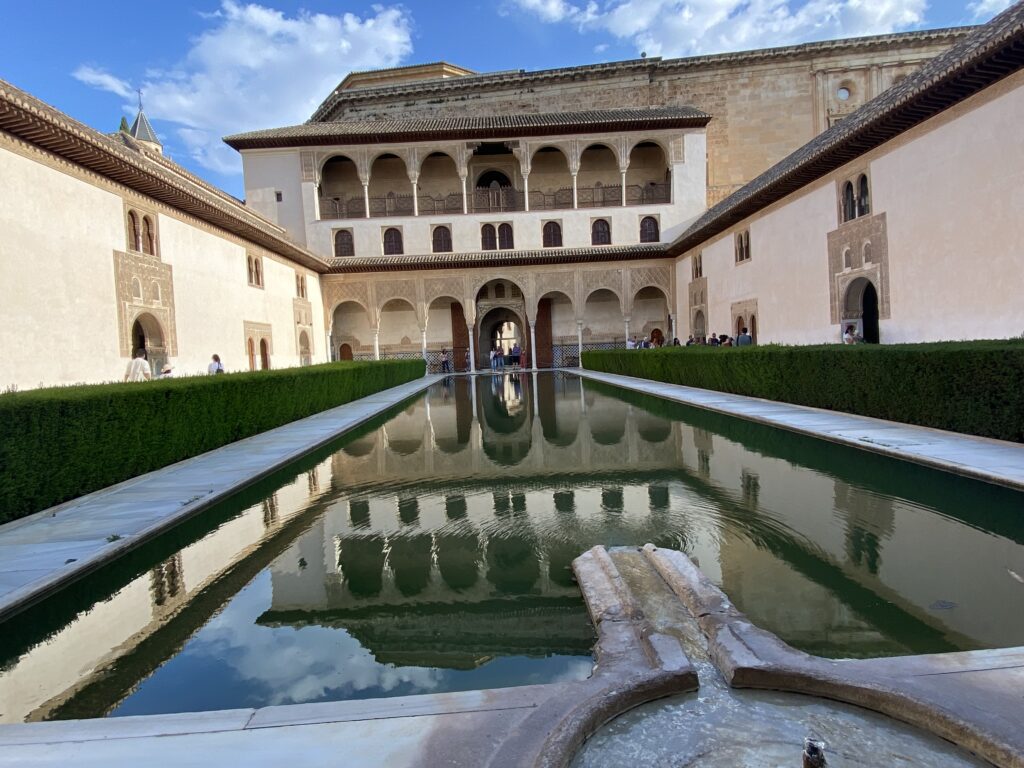
A thriving example of Moorish-style architecture and craftsmanship, the Nasrid Palace is unlike any other in the entire world. A peaceful stroll through the quaint halls and rooms of this breathtaking palace will transport you to the days of Spanish royalty and showcase their opulence and grandeur.
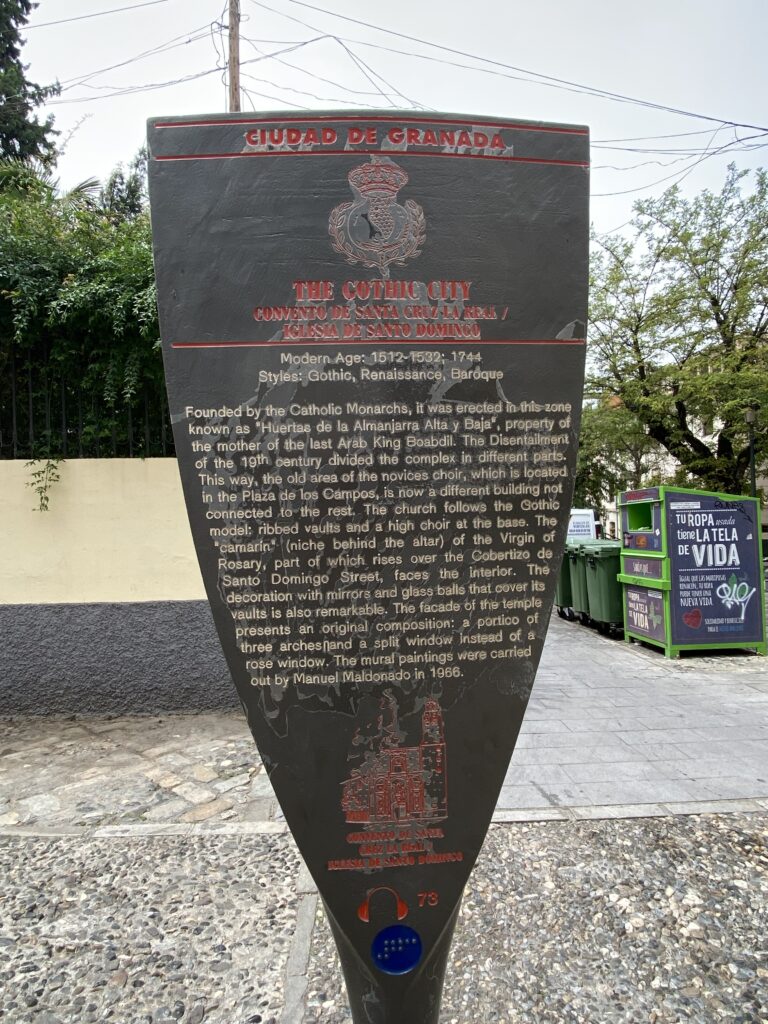
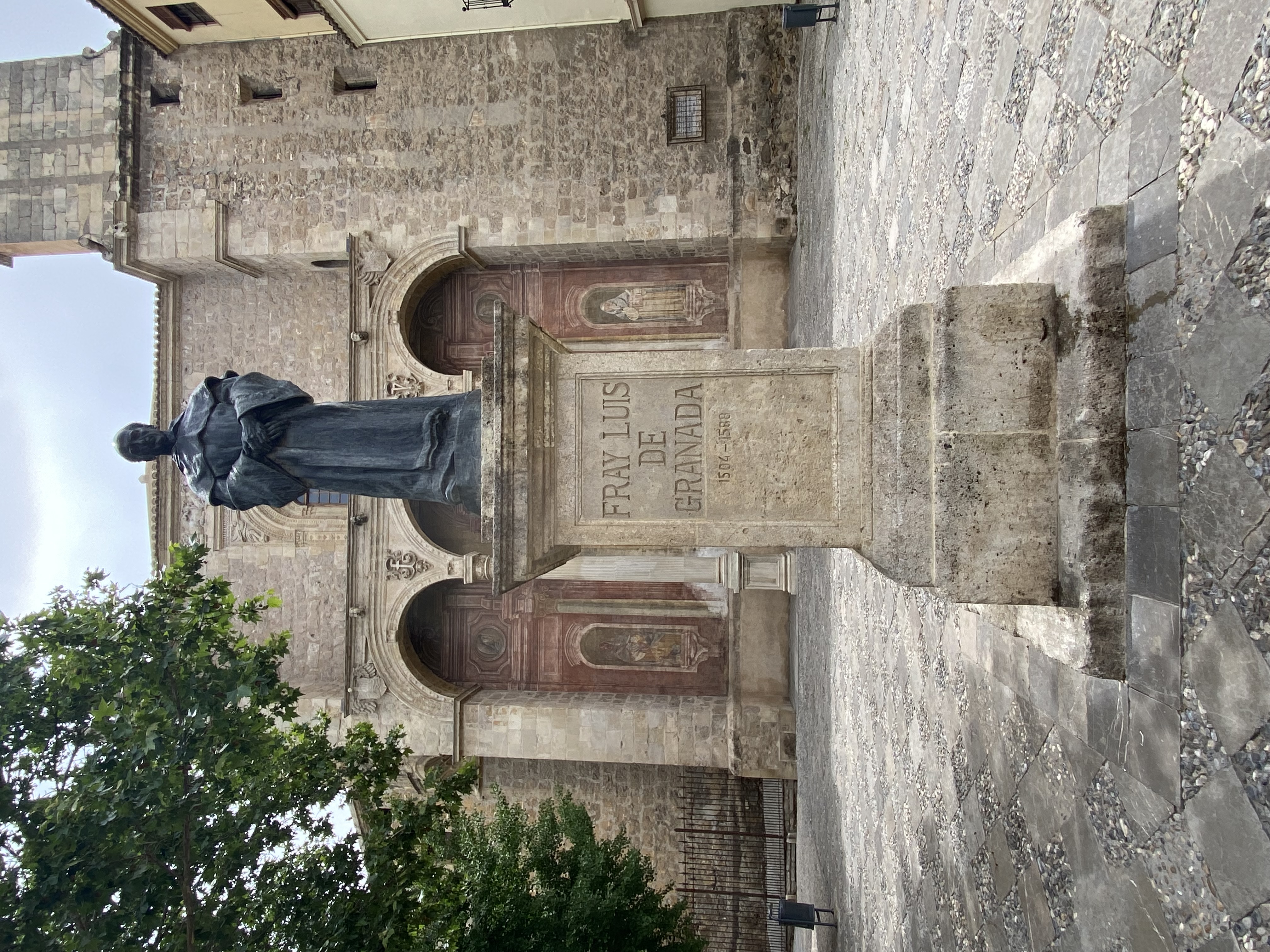
As the clouds began to accumulate in the distance, we worked our way back down from the Alahambra into Granada for an evening walk through the streets of antiquity, discussing the opulence of the aristocracy throughout the eons.
Buenos Noches Amigos